- Details
- Written by: Roger Fulton
Sponsored content
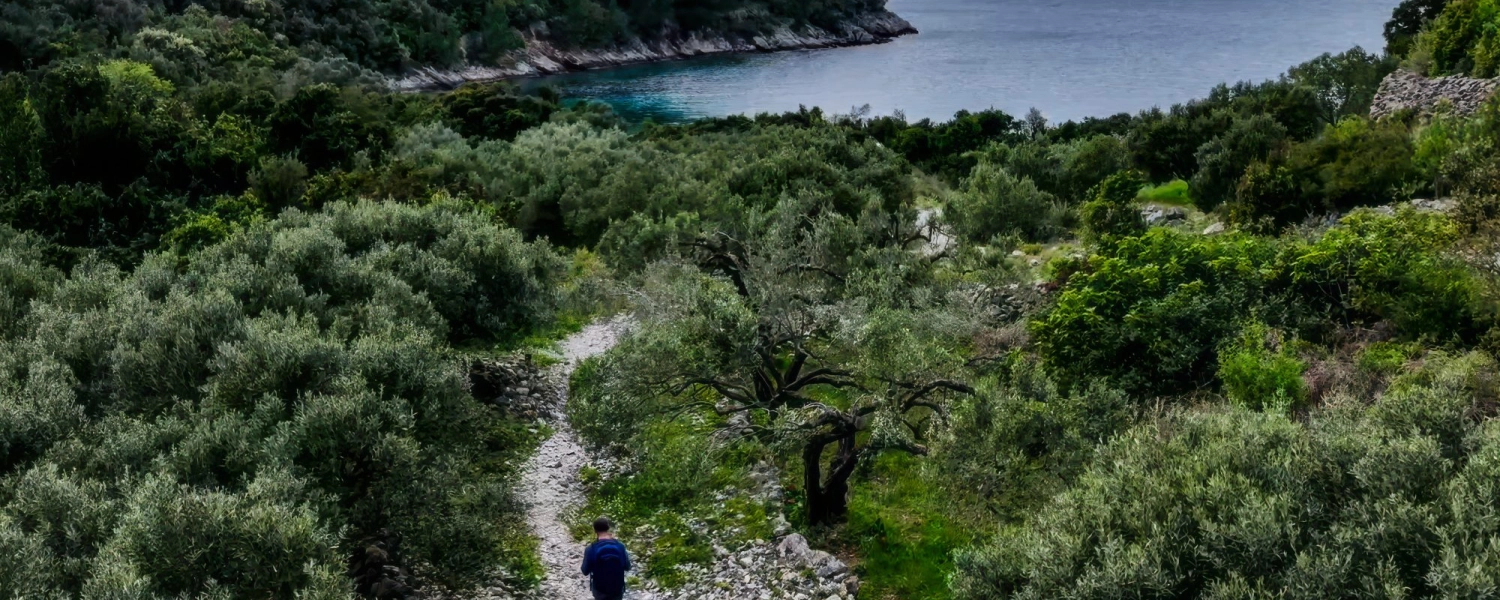
It’s said that to really get to know a holiday destination you’ve got to slow down, get out of your car and onto a bike. Better still, take the even slower road and walk.
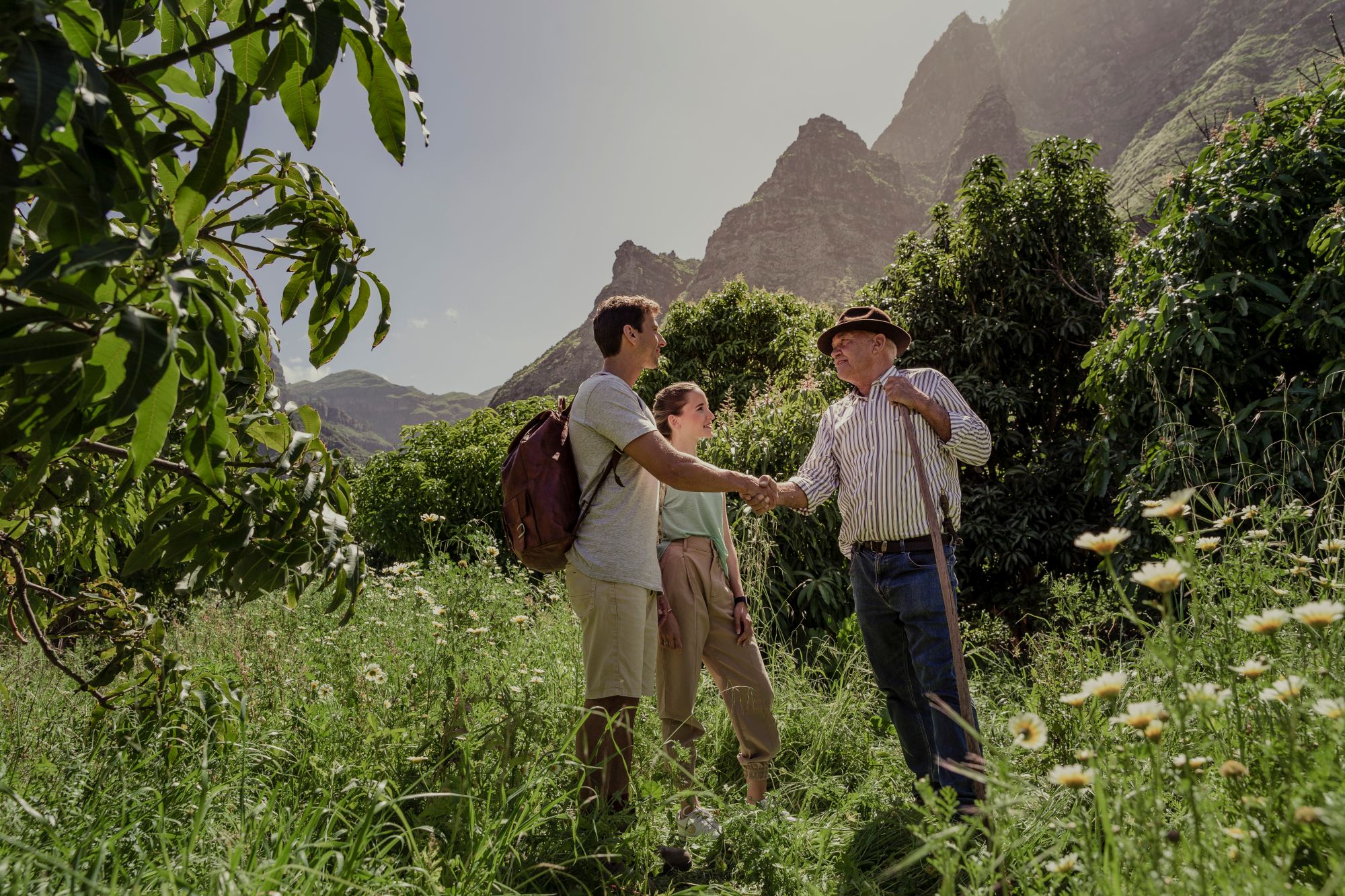
And when you’ve walked, eat. But not just the food you’d eat at home. Rather the food you’d eat in someone else’s home. From fresh-baked rustic bread to wine straight from a local vineyard.
Gran Canaria is perfect for this. It may not be the biggest of the Canary Islands, but from the bustling capital, Las Palmas de Gran Canaria, to the sand dunes in the south and volcanic mountainous terrain around the Pico de las Nieves, the island has a vast array of different paths to explore. Walking routes criss-cross the island in a network of well-signposted hiking trails that wind through all of its various landscapes and connect many of the major sights. And its winding mountain roads will take cyclists all the way to the highest points and some of the most fascinating locations.
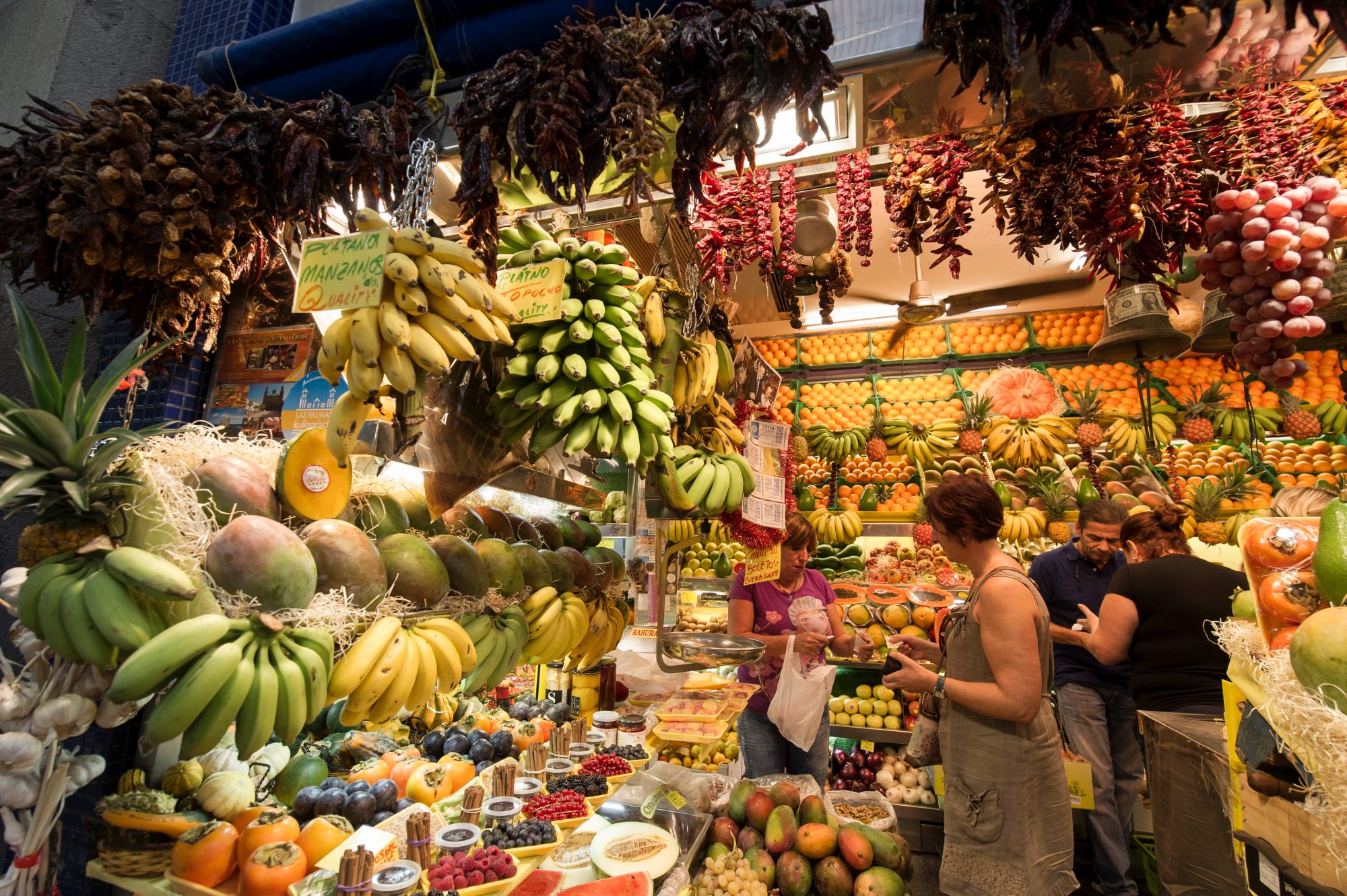
Most importantly, Gran Canaria is excellent for local food, offering a blend of Spanish, African, and Latin American influences based on fresh, volcanic-soil produce and seafood. Must-Try Dishes include papas arrugadas (wrinkled potatoes) with spicy/herby mojo sauces, ropa vieja (stewed meat/chickpeas) and artisanal cheeses, while parrotfish, sama, octopus, and lapas (grilled limpets with mojo) are staples in coastal towns. Try bienmesabe (a popular dessert made of almond cream, honey, egg yolk, and lemon zest). Sample coffee from the Agaete Valley and local rum from the Arehucas Distillery.
For authentic dining experiences look for bochinches (informal, family-run restaurants) or local markets, especially in the northern part of the island.
And with Gran Canaria enjoying average temperatures of 24°C all year round, it’s a great destination whatever the season, although the main cycling and hiking season is from the start of October until the end of April, when most of the summer tourists have departed.
If you’re visiting various parts of the island, consider a small rental car to reposition bikes or luggage – especially for inland or ravine days; the terrain varies from coastal flats to steep climbs.
There are countless ways to enjoy your Gran Canarian gastro adventure. Here’s one 7-day itinerary…
- Day 1 — Las Palmas de Gran Canaria Arrival & Urban Food Walk
- Day 2 — Wine Route North: Arucas & Santa Brígida
- Day 3 — Guía Cheese & Deep North Villages
- Day 4 — Agaete Valley: Coffee, Wine & Tropical Fruits
- Day 5 — Central Highlands & Roque Nublo Region
- Day 6 — Hiking in the Ravines & Natural Landscapes
- Alternative Day 7 — Ayaguares valley & Food Finale
- Day 8 — Drive to airport (42.5km, 45mins)
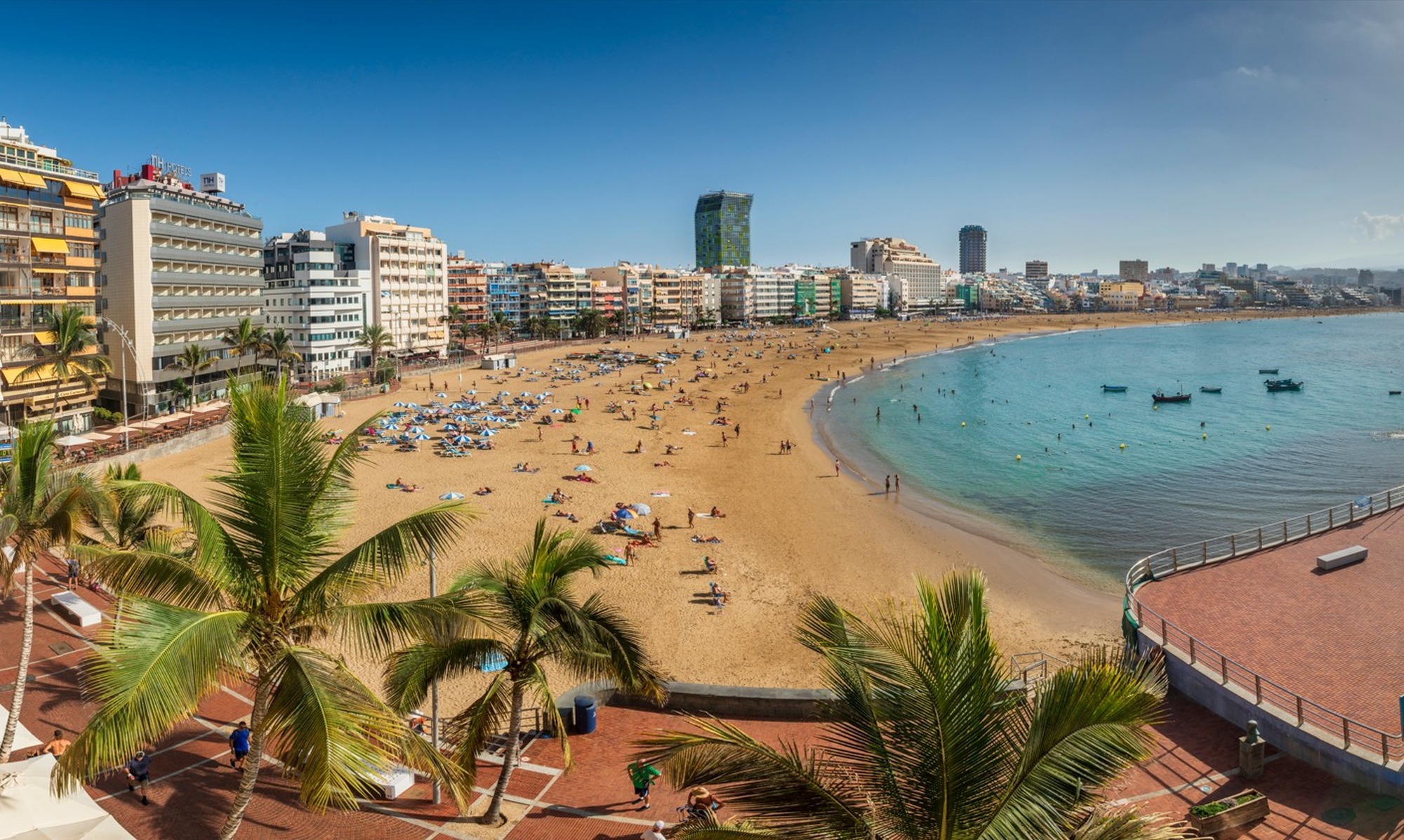
Day 1 — Las Palmas de Gran Canaria Arrival & Urban Food Walk
Morning
- Collect your hire car at Gran Canaria International Airport and drive the short distance to the island capital Las Palmas de Gran Canaria. Settle in and sort out bike hire from one of the many bike rental shops in the city.
- Stretch your legs after your flight with a walking tour along Playa de Las Canteras promenade to wake up your body. Stroll along the beach and dip your toes in the sea.
- Pop into Mercado del Puerto (the port market) for tapas-style bites and local products (seafood, Canarian cheese boards, olives). Set beneath ornate 19th century wrought-iron arches, there are lots of food stalls, small shops and tapas bars where you can start to explore the local delicacies and maybe gather ingredients for a picnic on day 2!
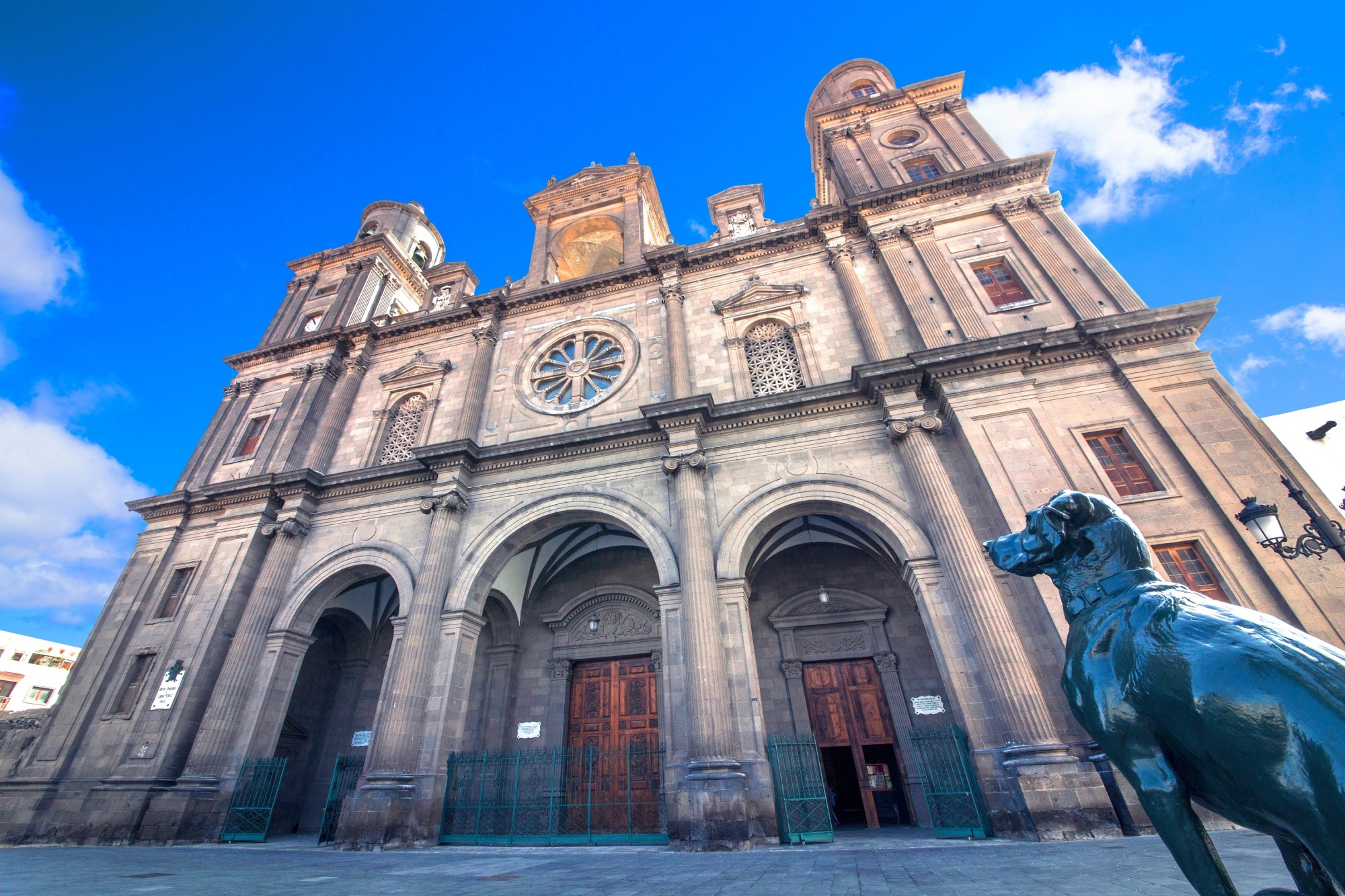
Afternoon - Wander the old town of Vegueta on foot — exploring cobbled streets, local cafés, artisan shops and historic sites such as the Columbus Museum and the famous Balconies street, where the first noble houses were built.
Dinner
Try a local restaurant for papas arrugadas with mojo sauces, grilled fish, and local wine. Finish Day 1 with an optional gentle cycle around the bay area in the evening.
Overnight: Las Palmas de Gran Canaria
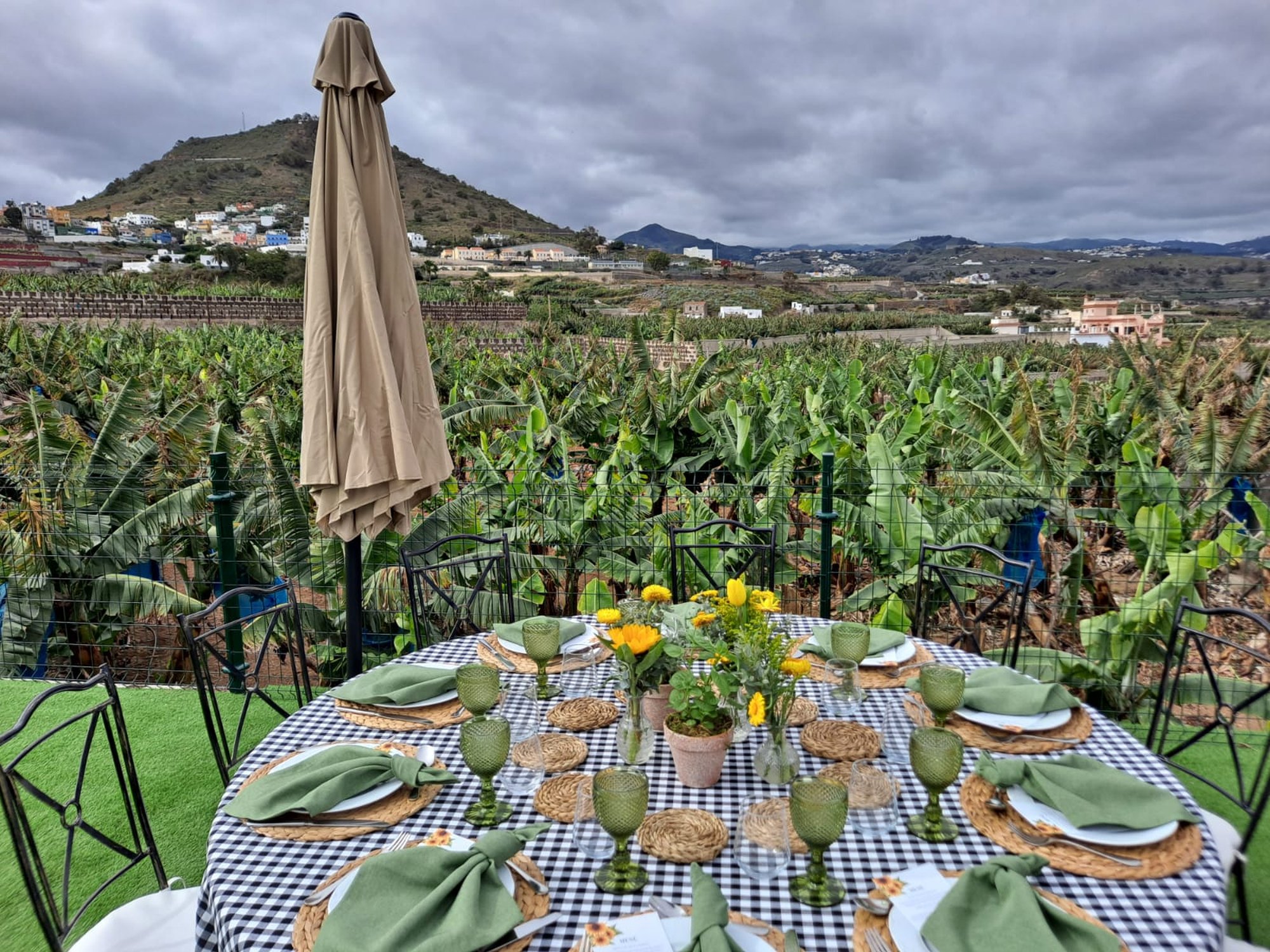
Day 2 — Wine Route North: Arucas & Santa Brígida
Morning
- Your first proper day in the saddle will see you cycling about 50-60km. To begin, head out along the northern coastal road before turning inland towards Arucas. Shortly before Arucas, after about 16km, follow the signs to the banana plantation and museum at La Rekompensa / Mundo del Plátano, where you can go on a guided tour and taste banana products such as jams and banana wine.
- After a quick stop to admire the views across north Gran Canaria from the Montaña De Arucas.
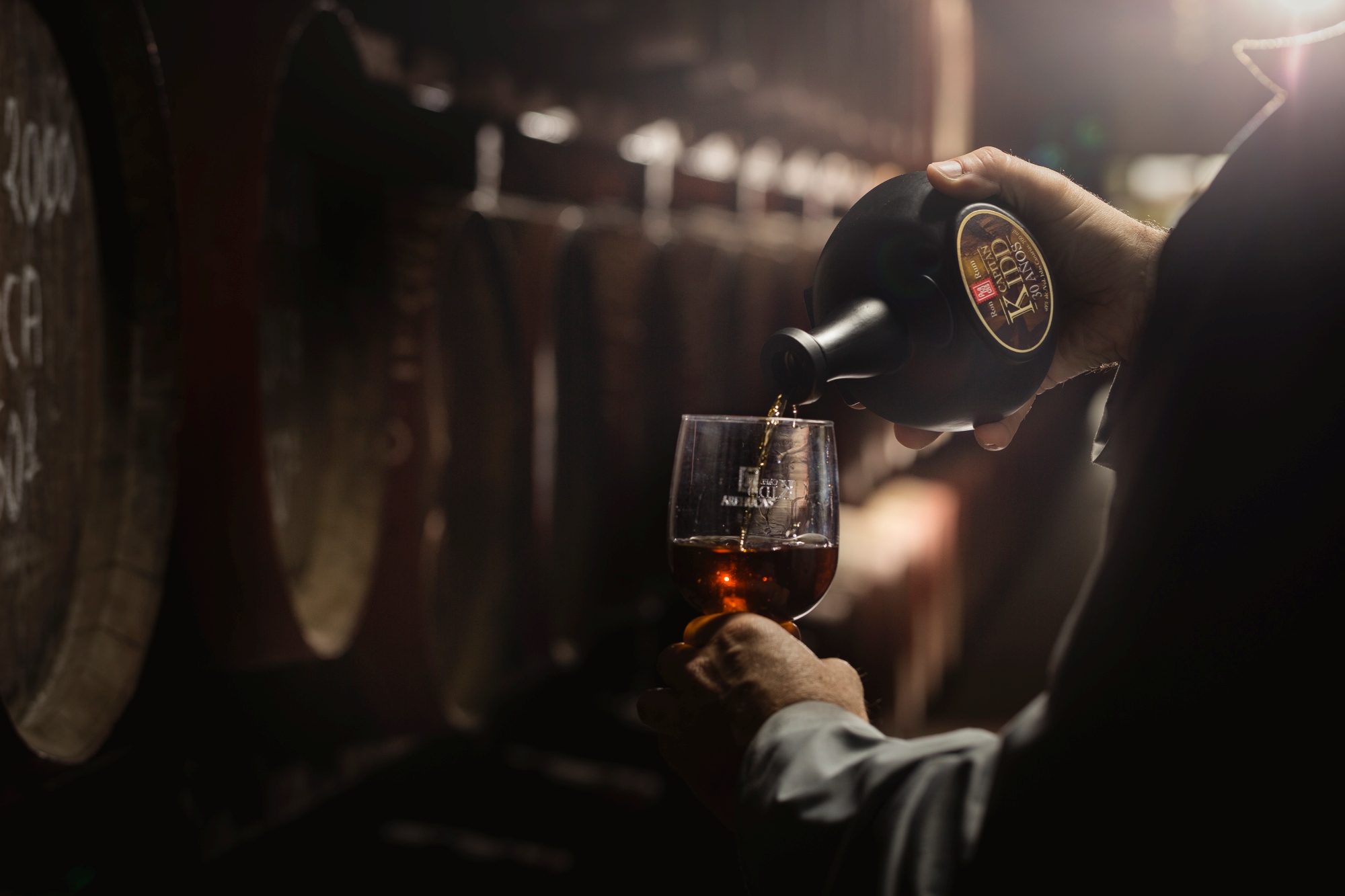
- You’ll soon come to the town itself, where a visit to the Arehuecas rum distillery is a must! You’ll find several restaurants in town for lunch or relax with your picnic.
Afternoon
Head towards Bandama, around 22km away (approx. 1hr 45 ride time) and the Bodega San Juan — a traditional family-run winery that offers tastings of listán negro and negramoll wines. If your legs and taste buds are holding out, just 5km from here is Finca Escudero in Santa Brígida — an excellent vineyard and olive grove tour with oil tasting.
Dinner
You can eat locally in Santa Brígida but with a 15km cycle ride back to Las Palmas de Gran Canaria (albeit a gradual, gentle descent) you may prefer to wait until you’re back home.
Tip: the coastal road out of Las Palmas de Gran Canaria toward Arucas can be very busy. The inland alternative is about 5km more, but much quieter. There’s quite a bit of rolling terrain during this day, so keep plenty of water and snacks handy.
Overnight: Las Palmas de Gran Canaria
Day 3 — Guía Cheese & Deep North Villages
Morning
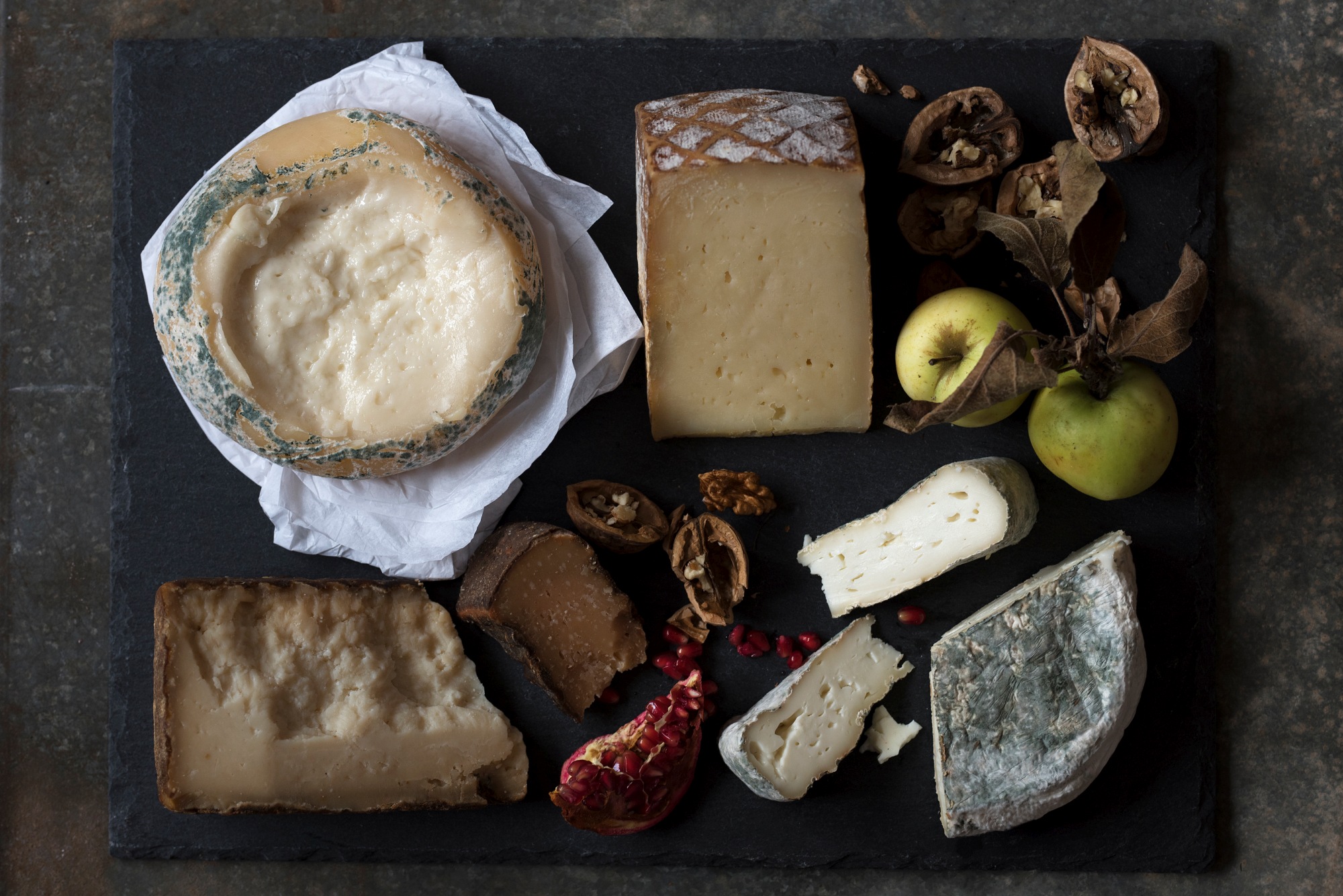
Short transfer by car to a new area - the Santa María de Guía region, 25km west from Las Palmas de Gran Canaria. Enjoy a gentle walk around the village and nearby historic sites like the Caves of Valerón (ancient grain silos) if you feel like a cultural detour. And be sure to taste Flor de Guía cheese — a local semi-hard cheese made with sheep, goat, and cow milk (protected Denominación de Origen).
Lunch
In a rural café with cheese boards, local bread, honey, and wine.
Afternoon
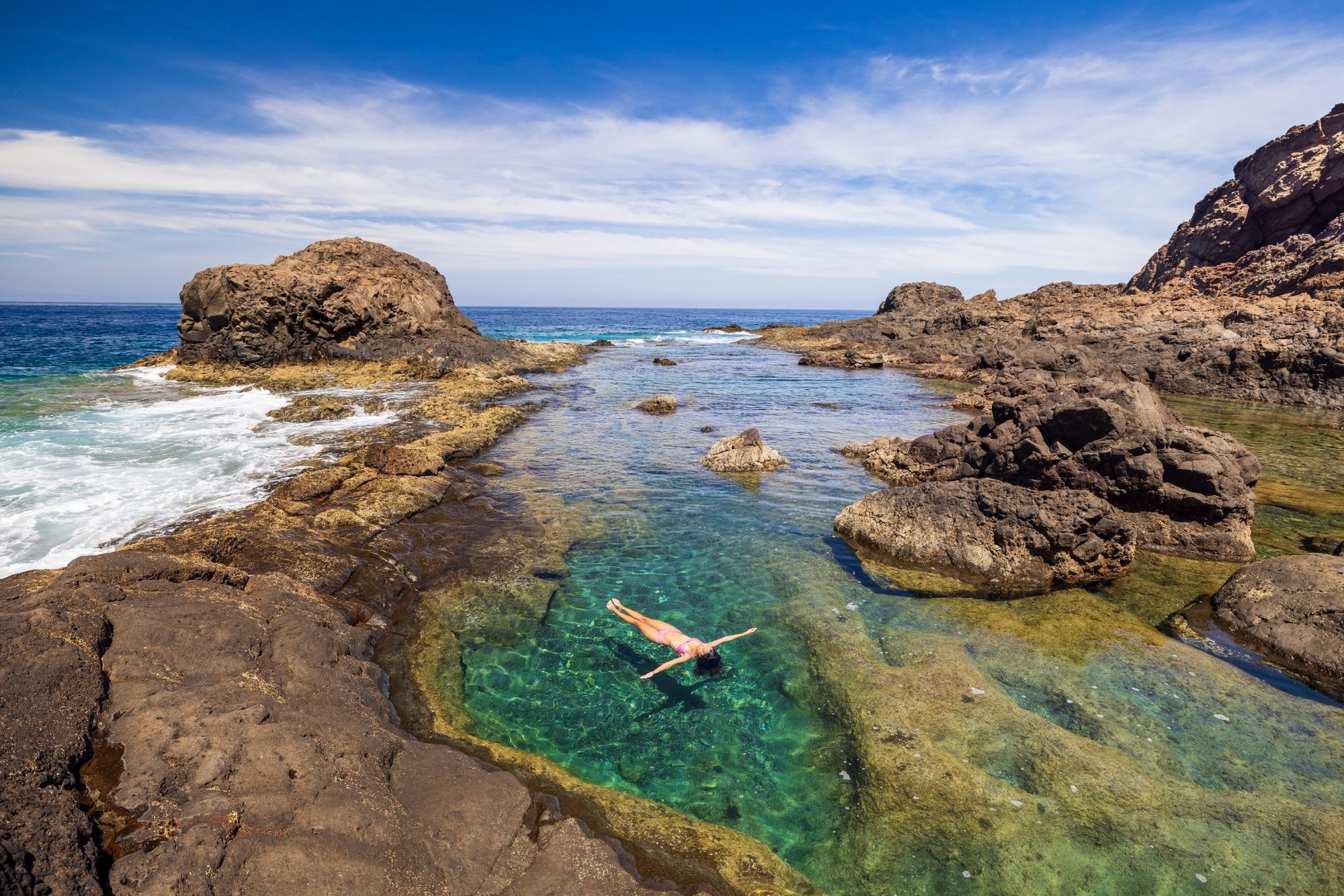
A leisurely 20km round-trip ride to neighbouring Gáldar or coastal Sardina del Norte fishing village for an ocean breeze. If you prefer, you can turn the excursion into a hike. Allow about 4hrs for the round trip.
Dinner: Choose from a wide variety of restaurants in Guia and the surrounding area.
Overnight: Guía/Santa María de Guía area
Tip: For a stay in Guía/Santa María de Guía, good options include charming town-centre guesthouses. For rural tranquility, look for countryside villas or caves near the coast or in the highlands, while the nearby San Andrés area offers coastal access, surfing, and family-friendly spots. Always opt for certified tourist accommodation.
Day 4 — Agaete Valley: Coffee, Wine & Tropical Fruits
Morning
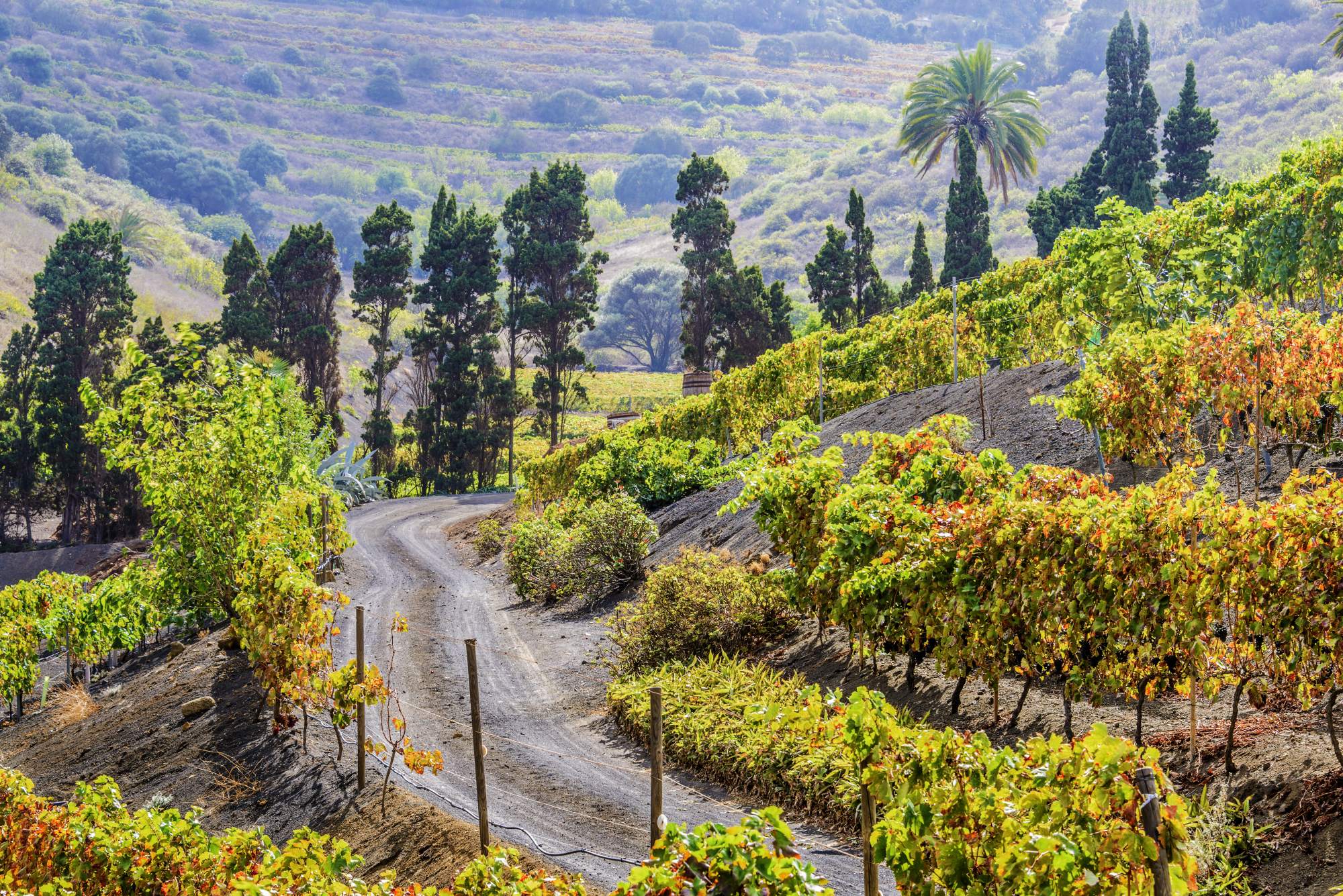
A day to explore the Agaete Valley by bike — a lush area with coffee plantations, vineyards, tropical fruits (mango, papaya), citrus trees, and palms. Head via Agaete to Bodega Los Berrazales at Finca La Leja. The trip is about 25km, so allow about a little over 90 mins for the ride.
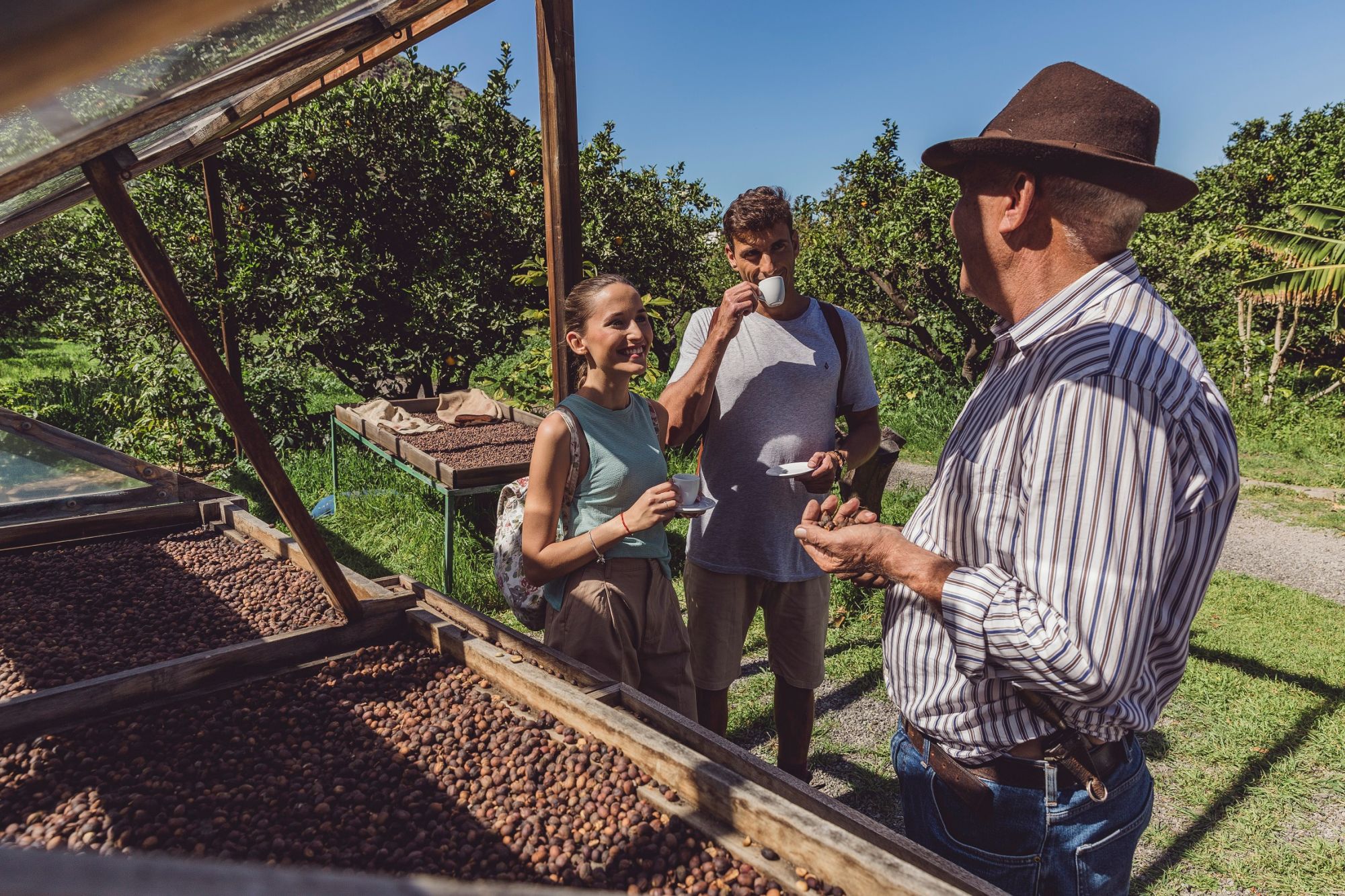
One of Gran Canaria’s gastro gems, the Bodega Los Berrazales is Europe’s only coffee plantation, a 200-year-old farm and winery, where the coffee is grown under the shade of orange, mango, guava and avocado trees. Enjoy an hour-long tour, with wine and coffee tastings, and a short hike in the valley.
Lunch
Picnic with local coffee from the plantation and a little bit of dry white wine.
Afternoon/evening
Cycle back to Agaete (about 20 minutes) and explore this charming coastal town with rugged scenery, before having a dip in the natural seawater pools before finishing in the picturesque harbour area of Puerto de las Nieves. Finally, enjoy a dinner of fresh seafood with sunset views, before cycling the 12km or so back to the Guía area.
Overnight: Santa María de Guía area.
Day 5 — Central Highlands & Roque Nublo Region
Morning
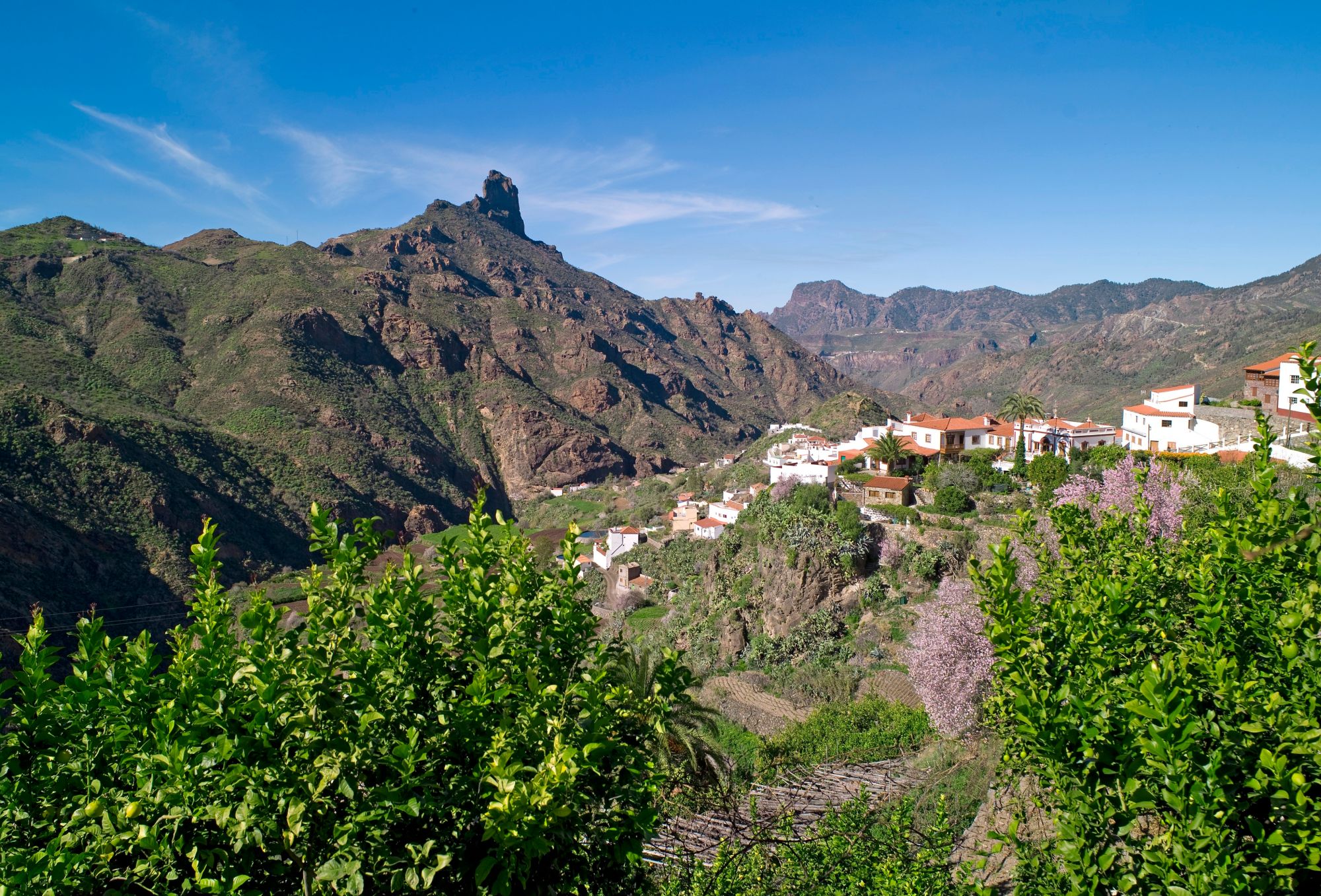
Car transfer (approx. 1 hour) to Tejeda, a charming, high-altitude village in the mountainous centre of Gran Canaria and a great base for exploring natural symbols like Roque Nublo, Roque Bentayga and Pico de las Nieves. Gastronomically it is especially known for its almond-based desserts, marzipan and local honey.
Activity: Explore local trails (short walks) around Tejeda before dropping into Dulceria Nublo – one of the most famous bakeries on Gran Canaria – for an indulgent ‘lunch’ of delicious pastries and superb coffee.
Afternoon
Ride off the carbs with a 32km (3.5hr) cycle round trip to the natural monument of Roque Nublo, the island’s iconic symbol. A near 90m high monolith, it’s a proud memento from a dim and distant past, and has inspired painters, writers and composers. If you’d prefer, you can hike the 6.7km to another natural rock landmark, Roque Bentayga. Allow about 3hrs for this round-trip.
Dinner
Back in Tejeda. Sample traditional Canarian high-mountain fare (almond desserts, cheeses, stews), as you watch the sun go down, with a local glass of wine at a mirador.
Overnight: Tejeda
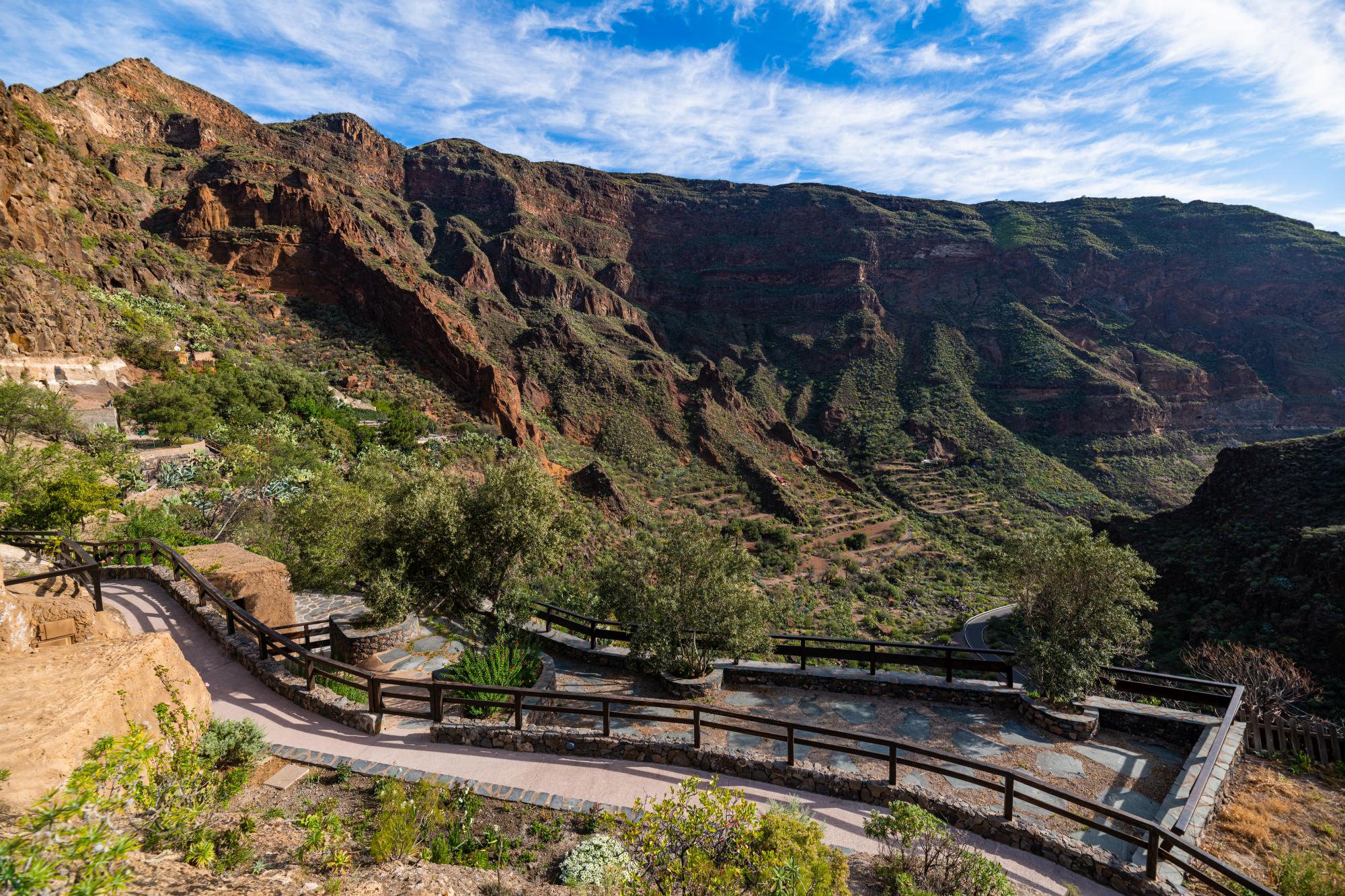
Day 6 — Hiking in the Ravines & Natural Landscapes
Morning
- Drive to Montaña de las Tierras, a good starting point to hike the Guayadeque Ravine, a scenic trail in a volcanic ravine with terraced landscapes and cave restaurants perched into rock faces.
- There are various trails in the area, including a 11-14km clockwise circular route that features dramatic, steep, and rocky ascents, offering spectacular views of caves, flora, and landscapes. It is recommended for experienced hikers to use hiking poles and, crucially, to go clockwise to climb the steepest sections rather than descending them. Allow 5-6 hours.
Lunch
Enjoy a traditional lunch (wrinkly potatoes, mojo, local meat) at a cueva (cave) restaurant.
Afternoon
Return to Tejeda. If your legs are good, you can throw in a short hike up to Las Marteles crater rim for the views, before the drive back.
Overnight: Tejeda.
Tip: Some of the most dramatic hikes and bike rides are to be found in the central region accessible from Tejeda, not least to the island highpoint of Pico de las Nieves. So, if you feel you’ve barely scratched the surface here, spend the last full day on the island by ticking off some other great routes. The La Plata Hiking Route is a steep, historic path connecting the northern and southern parts of the island, offering a rugged, authentic experience, while if you fancy a last bike ride, the Cruz de Tejeda ascent, for example, offers a 35km route with spectacular panoramic views.
(From Tejeda it’s a 42km drive to the airport. Allow 1hr 15mins)
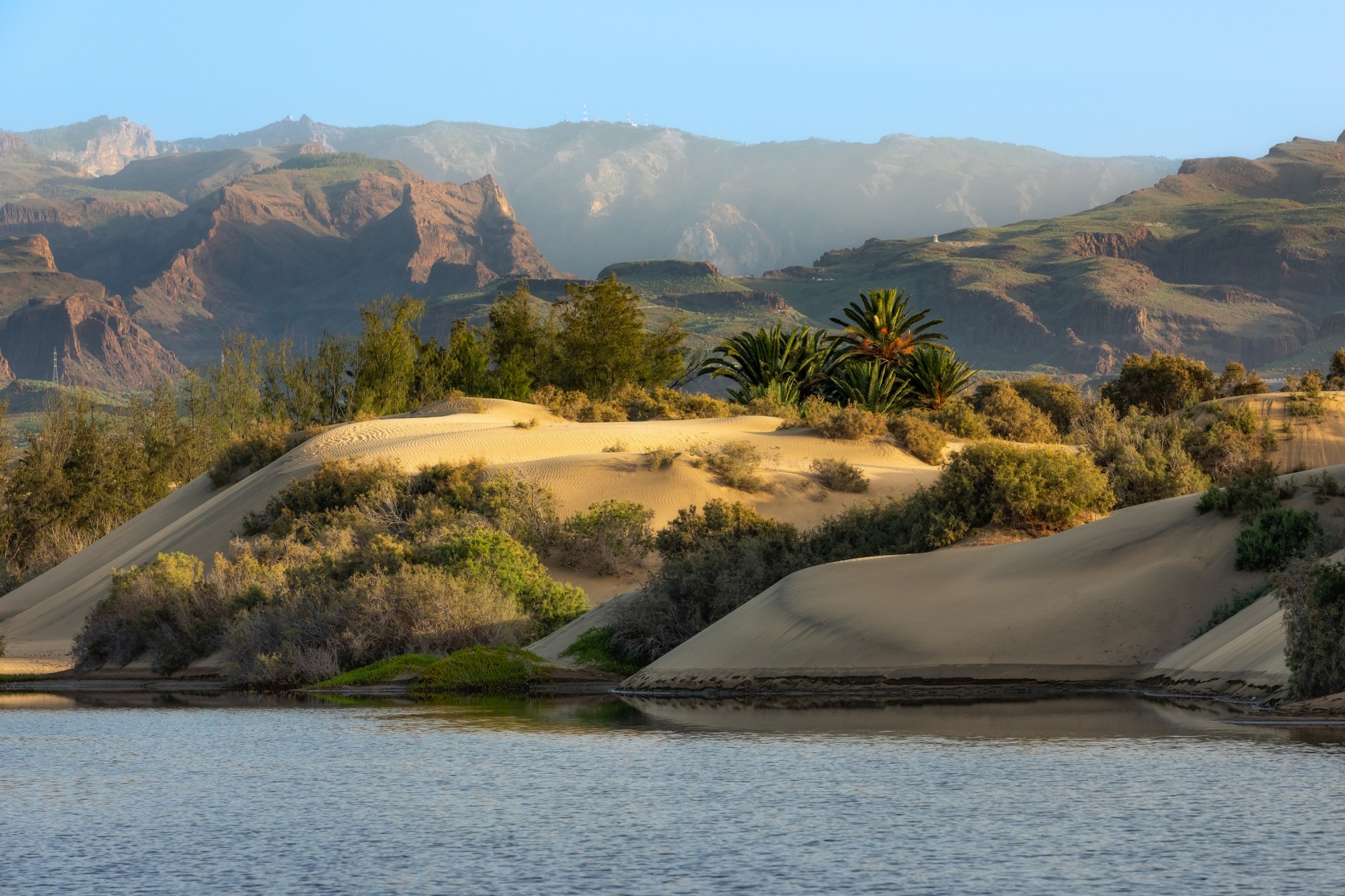
Alternative Day 7 — Ayaguares valley & Food Finale
Morning
Car transfer to Ayaguares, (approx. 1hr 40mins), via south coast at Maspalomas. For a secluded last night look for a finca (rural estate). Some come with their own pool – perfect for a leisurely last day.
Activity: The Ayagaures valley has a bit of everything: natural beauty, history, culture, sports, adventure, and tranquillity. Climb up to the Ayagaures viewpoint for an overview of the area and then go down to the dam for a moment of rest. Alternatively, you can drive the 20mins to the coast and walk through the famous sand dune area.
Evening
If you feel like eating something delicious, the restaurant La Cuevita Ayagaures makes a brilliant venue for your last Canarian meal. Sit on the terrace and let the day fade into a tranquil evening.
Overnight: Ayaguares.
Day 8 — Drive to airport (42.5km, 45mins)
For more information about taking a trip to Gran Canaria, go to grancanaria.com