- Details
- Written by: Sophie Nicholson
Sponsored content
There are few places in the world that cram so much into such a small space, but Montenegro is one of them. This tiny Balkan nation might be the size of Wales, yet it’s home to five national parks, Europe’s deepest canyon, primeval forests, mirror-still lakes and some of the most dramatic mountain landscapes on the continent. It’s 80% mountains, 100% adventure - a wickedly wonderful mix of alpine drama and Adriatic soul.
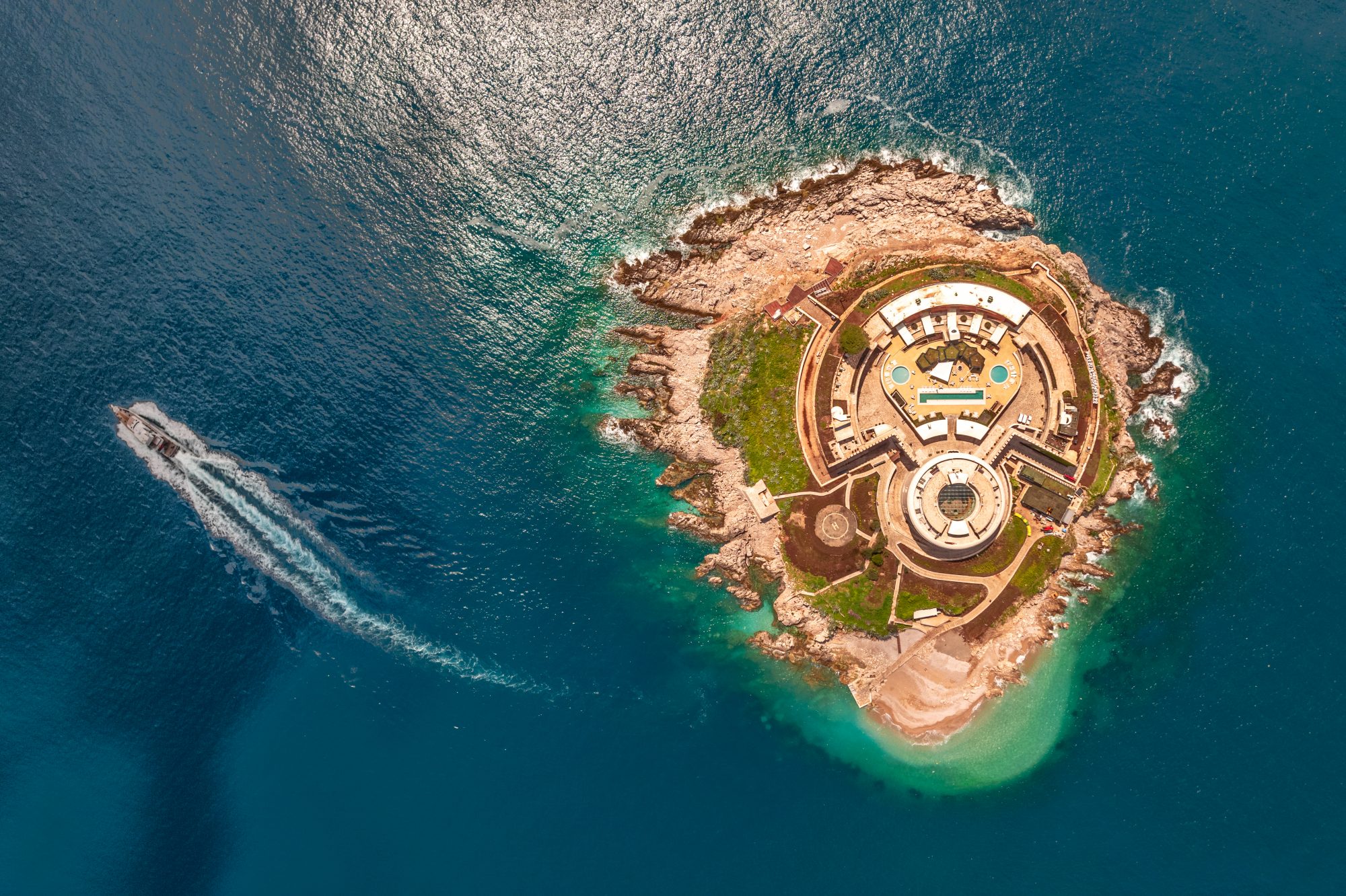
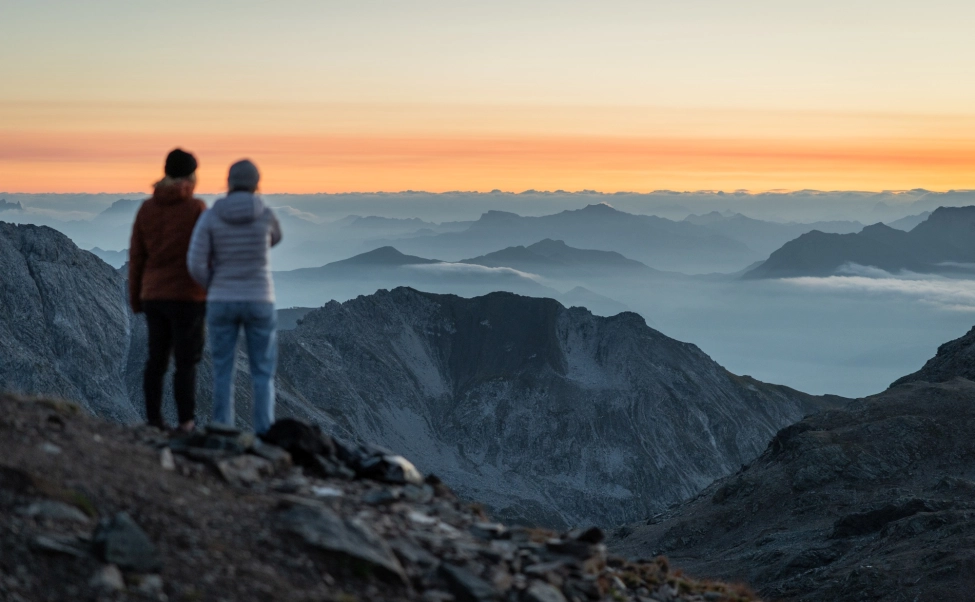
Montenegro’s name translates literally to Black Mountain, and the country lives up to it. Mountains rise straight from the sea, rivers carve through sheer limestone gorges and glacial lakes glint like mirrors beneath snow-dusted summits. It’s a place where you can hike to 2,500 metres in the morning and swim in the Adriatic by sunset - a rare gift in Europe, and one that makes it a dream destination for active travellers looking to pack every kind of adventure into one trip.
This is a country that feels off-the-beaten-path yet easy to reach, raw but welcoming, thrillingly untamed yet rooted in warmth and tradition. Whether you come to hike, paddle, ride or just breathe it all in, you’ll leave with a sense that Montenegro isn’t trying to be anything other than itself. And that’s exactly what makes it unforgettable.
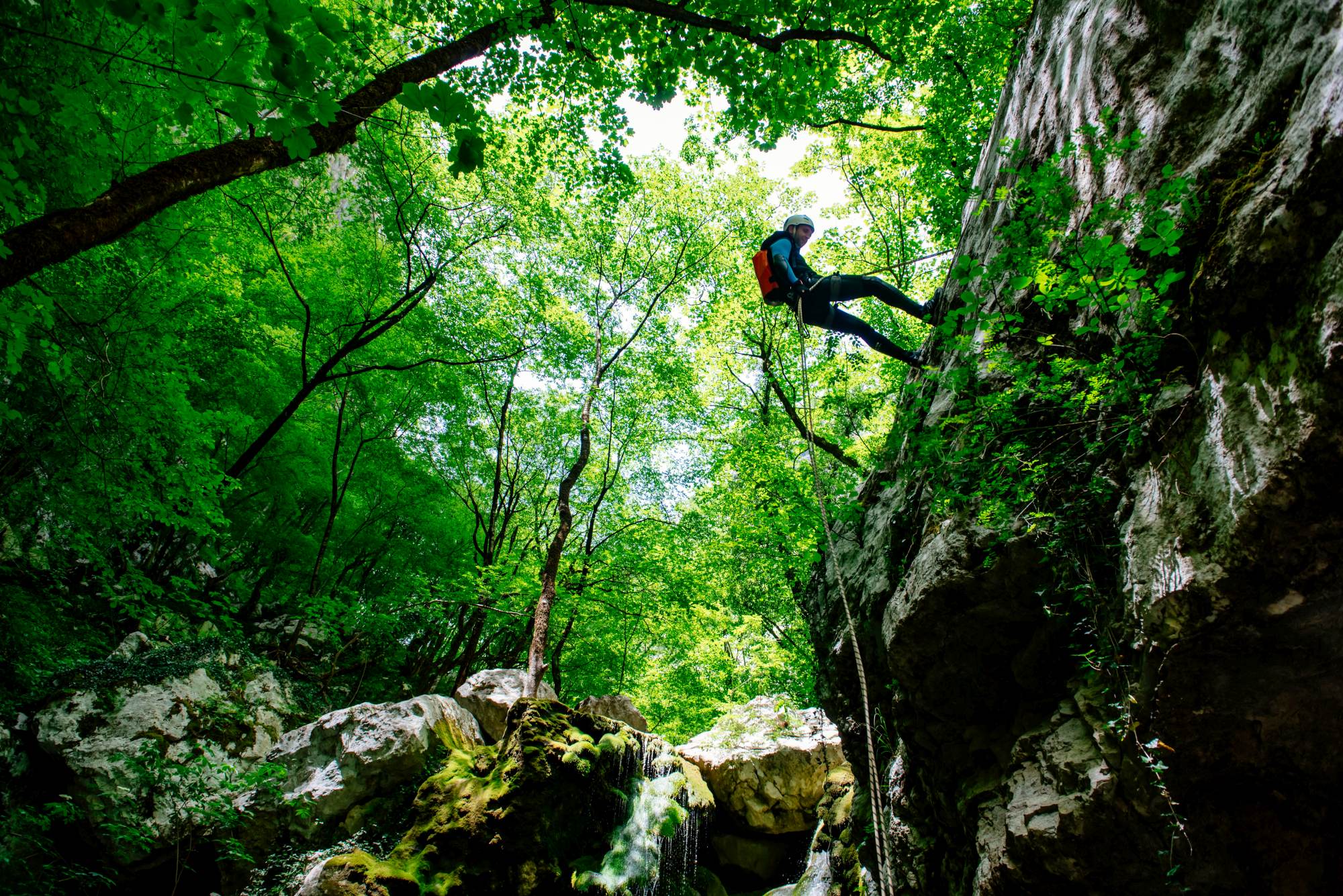
Untamed Nature: A Landscape Built for Adventure
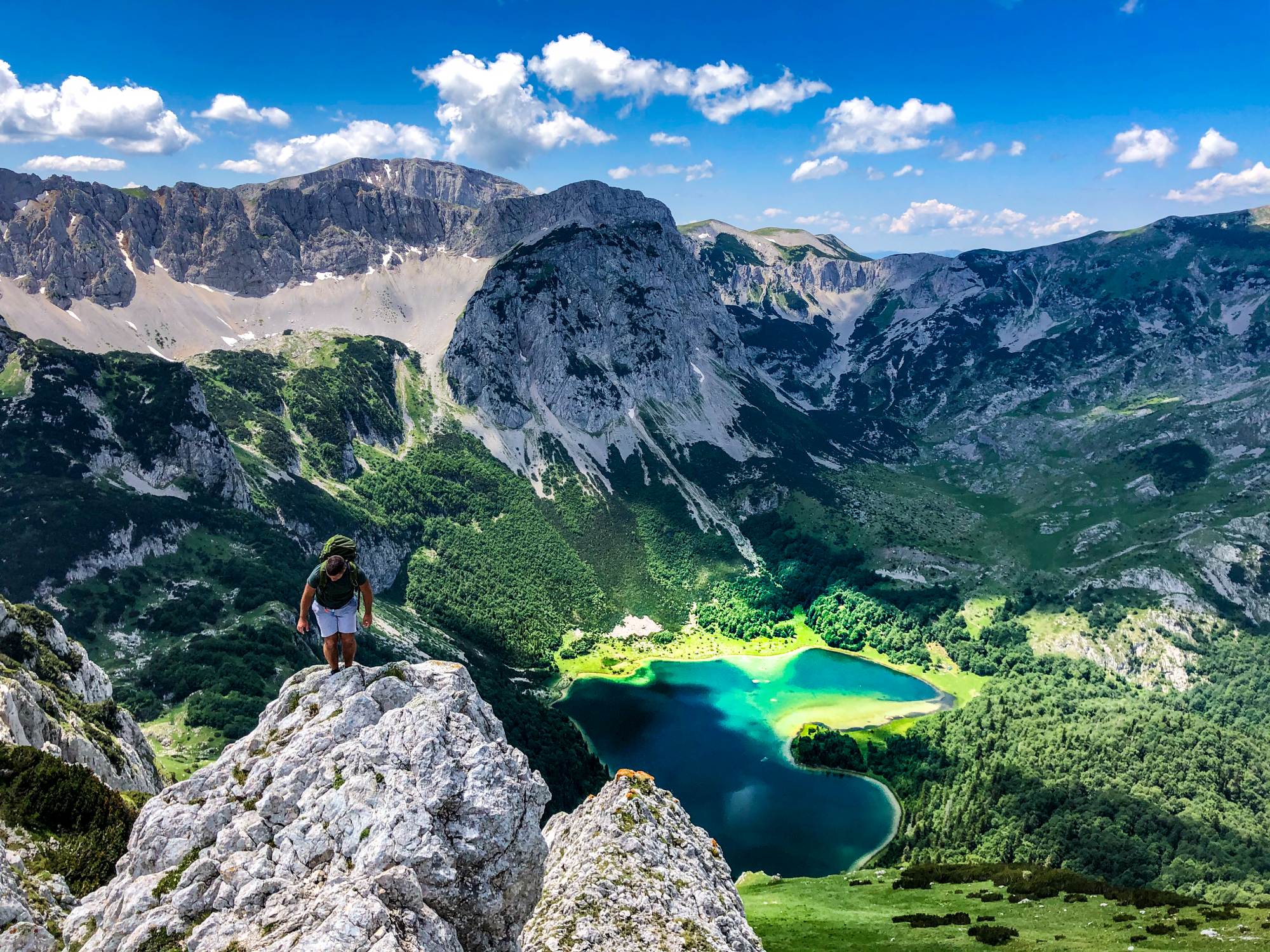
It’s hard to overstate just how wild Montenegro really is. Around 80% of the country is mountainous, and nearly 10% of it sits within five national parks - each with its own distinct character. This is a land sculpted by glaciers, rivers and time itself, where every bend in the road reveals yet another jaw-dropping view.
In the north, Durmitor National Park delivers the kind of alpine drama that feels straight out of the Swiss Alps, but with a fraction of the crowds. Its rugged limestone peaks rise above turquoise glacial lakes and deep pine forests, while the Tara River Canyon - Europe’s deepest, plunging more than 1,300 metres - cuts through the heart of it all. It’s a UNESCO World Heritage Site, a rafting mecca, and home to Bobotov Kuk (2,523m), the highest peak in Montenegro and a rite of passage for local hikers.
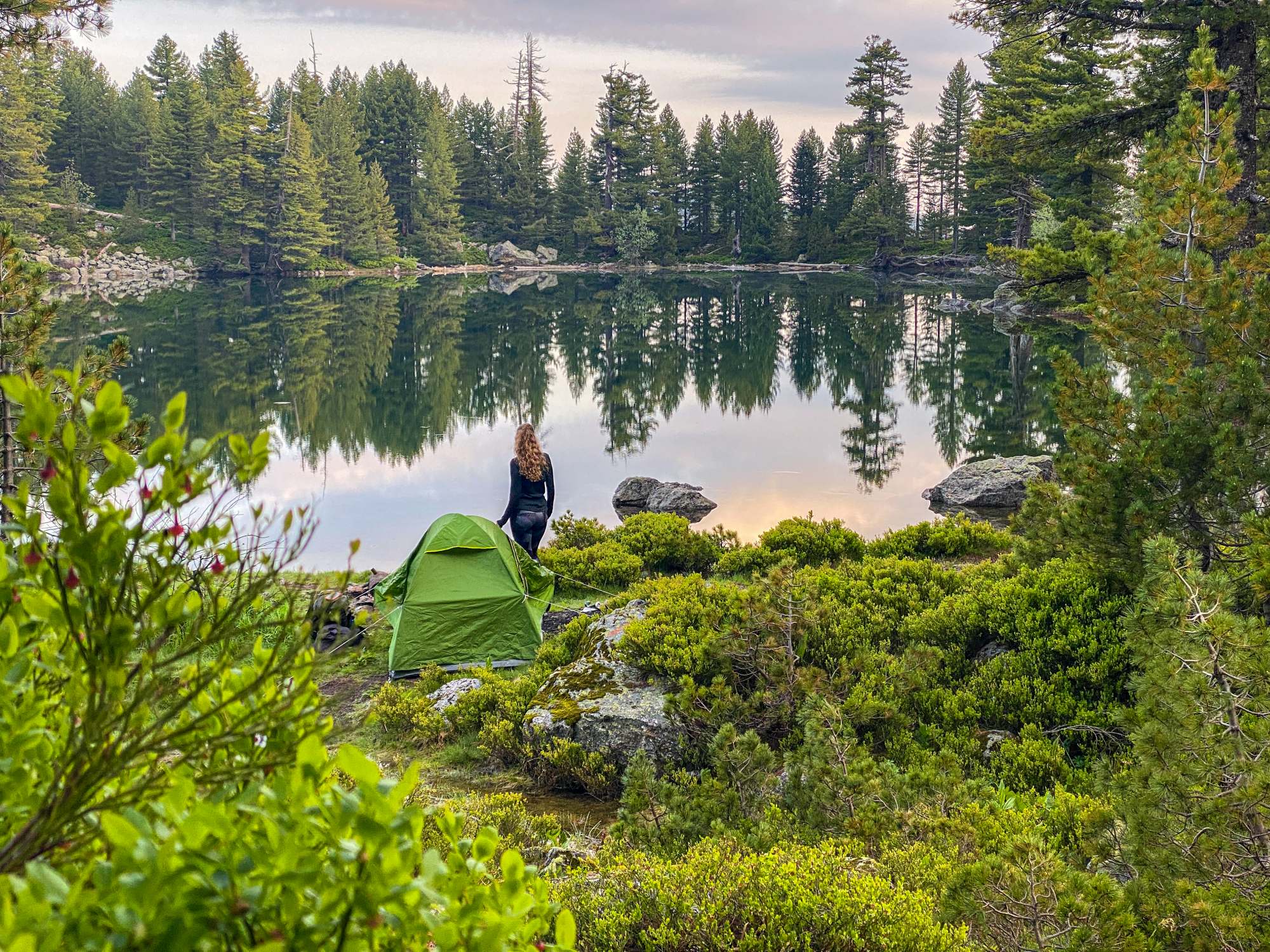
To the east, Biogradska Gora National Park is a step back in time - one of Europe’s last remaining primeval forests. Here, 400-year-old beech and fir trees tower above peaceful lakes, their reflections so perfect they blur the line between land and sky. It’s a place for slow adventures: walking, biking or simply wandering in silence beneath the canopy of an untouched world.
Head south and the landscape changes completely. Lake Skadar, the largest lake in the Balkans, feels like another planet - a shimmering inland sea straddling the border with Albania. It’s a sanctuary for wildlife, home to over 280 species of birds including the rare Dalmatian pelican. You can kayak between island monasteries, drift past fishing villages on boat tours, or sip local wine at vineyards that line the shores.#
And then there’s Lovćen National Park, rising steeply above the Adriatic coast. It’s both a mountain and a monument to Montenegrin identity - the resting place of national poet and philosopher Petar II Petrović Njegoš, whose mausoleum crowns the summit. Hike the 461 steps to the top, or take the new cable car that glides from the Bay of Kotor to the peak in just 11 minutes. Either way, the views - from the Adriatic to the highlands - will linger long in the memory.
Finally, venture to the country’s far southeast and you’ll find Prokletije National Park, known as the “Accursed Mountains.” The name might sound ominous, but these jagged peaks are home to some of the most spectacular alpine trekking in the Balkans. Remote, raw and deeply rewarding, it’s a paradise for committed hikers and cross-border explorers, with trails linking into Albania and Kosovo.
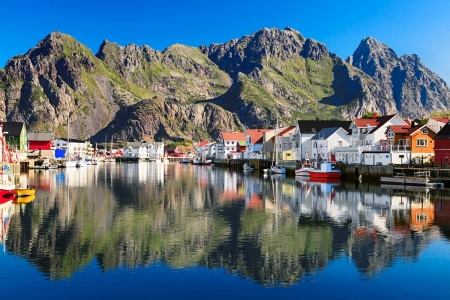
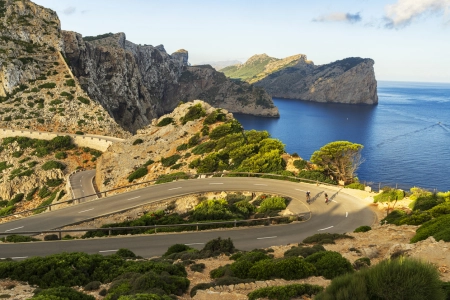
Wherever you roam, Montenegro’s landscapes are as varied as they are unforgettable - alpine to Adriatic, canyon to coast. It’s a place that compels you to move- to hike, ride, paddle and explore with an open heart and a curious mind.
Adventure for All: From Summit to Sea
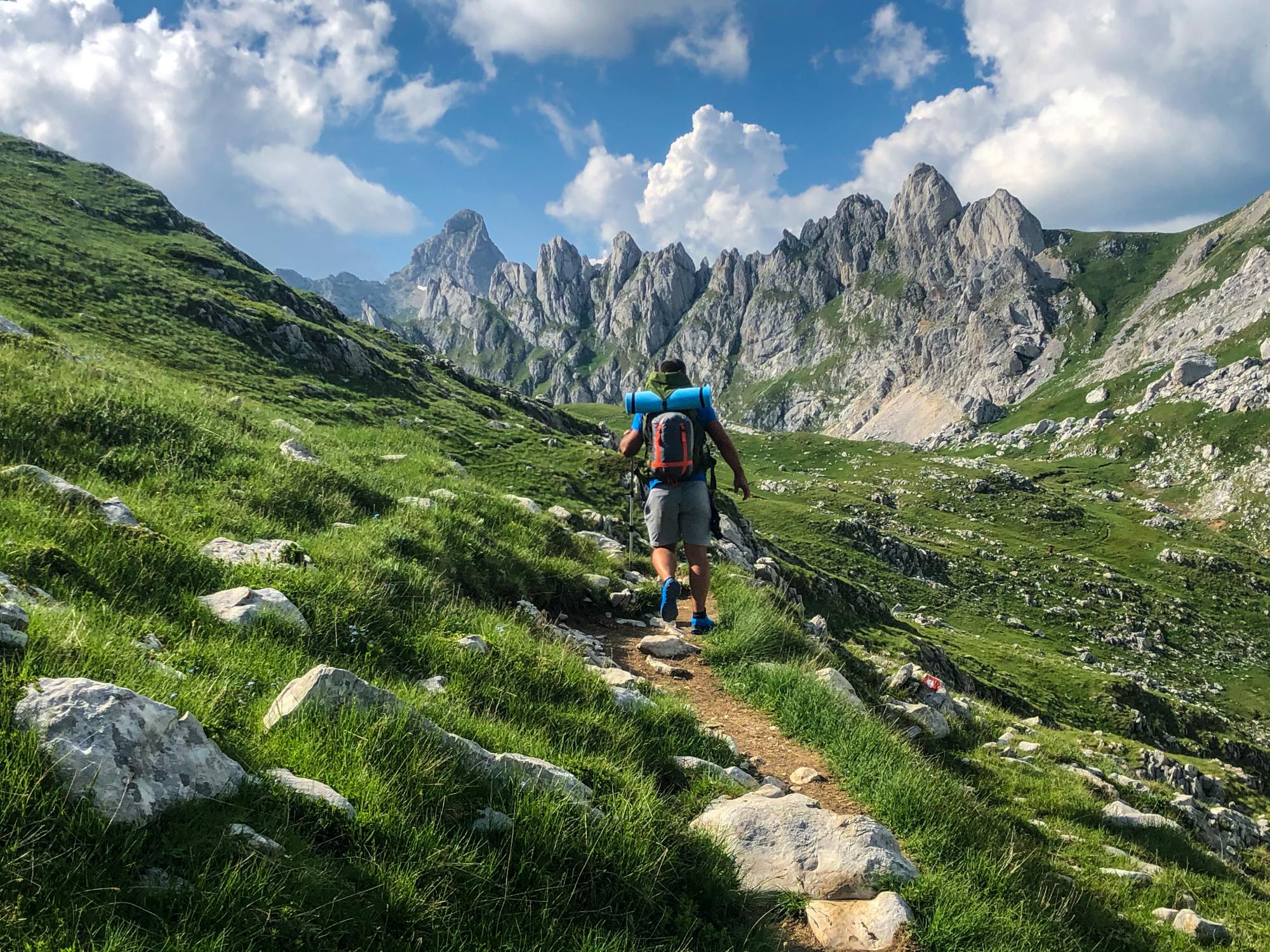
Montenegro might look rugged and sound remote, but it’s made for getting stuck in. This is adventure with variety — the kind where one day you’re standing on a 2,500-metre peak and the next you’re paddling through lily-dotted wetlands. With trails, rivers and lakes threaded through almost every valley, there’s no shortage of ways to dive in.
The hiking here is world-class, whether you’re tackling the switchbacks up Bobotov Kuk in Durmitor or wandering through the ancient forests of Biogradska Gora. The Durmitor Ring, a 76km scenic road looping through high mountain passes, is another must-do - perfect for cyclists, self-drivers or anyone who deals in panoramic payoffs for effort.
Then there’s the Tara River Canyon, where the brightest of blue water churns between cliffs more than a kilometre high. It’s Europe’s deepest canyon, and rafting its rapids is a full-body thrill - part white-knuckle ride, part undiluted wilderness immersion.
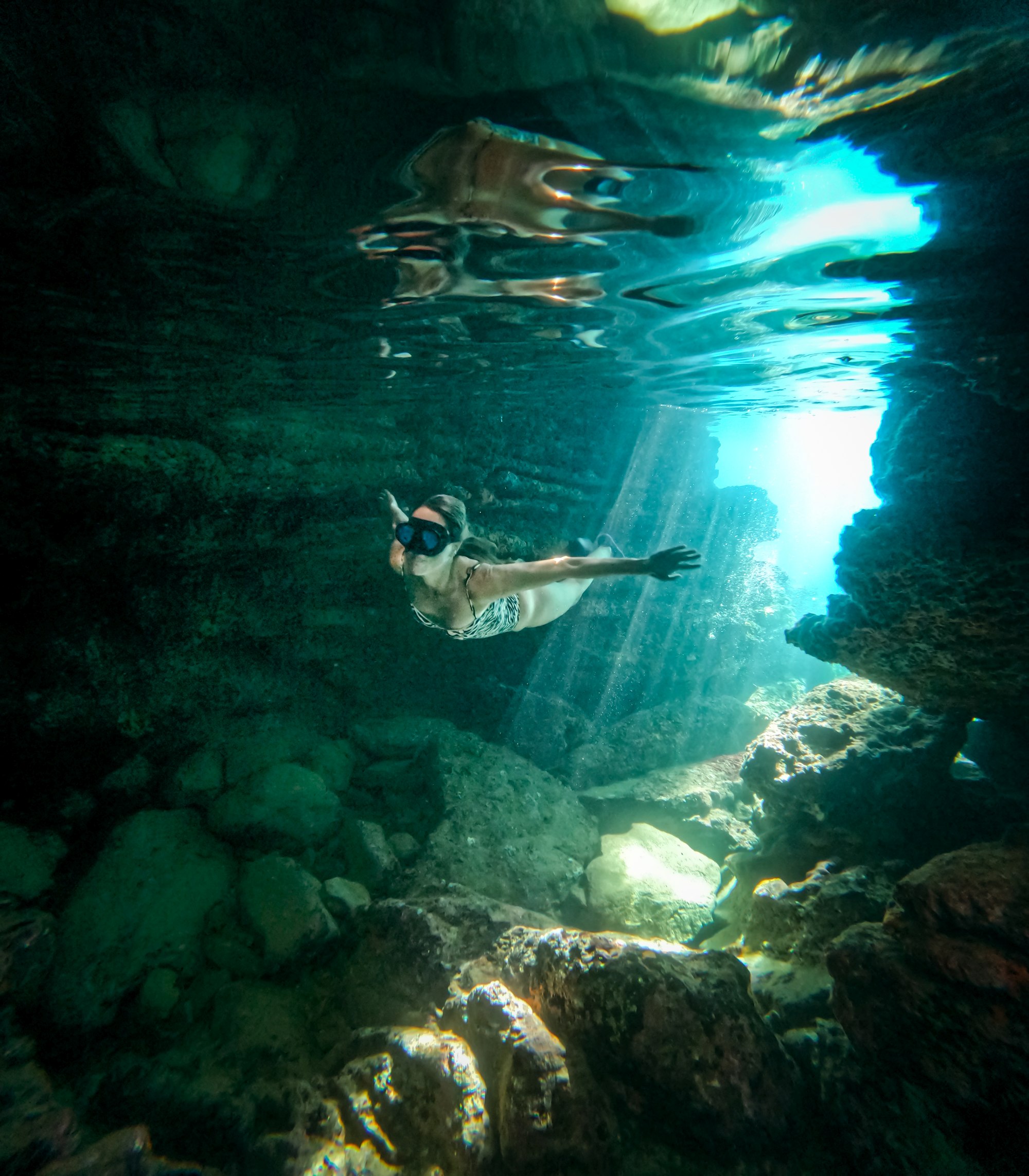
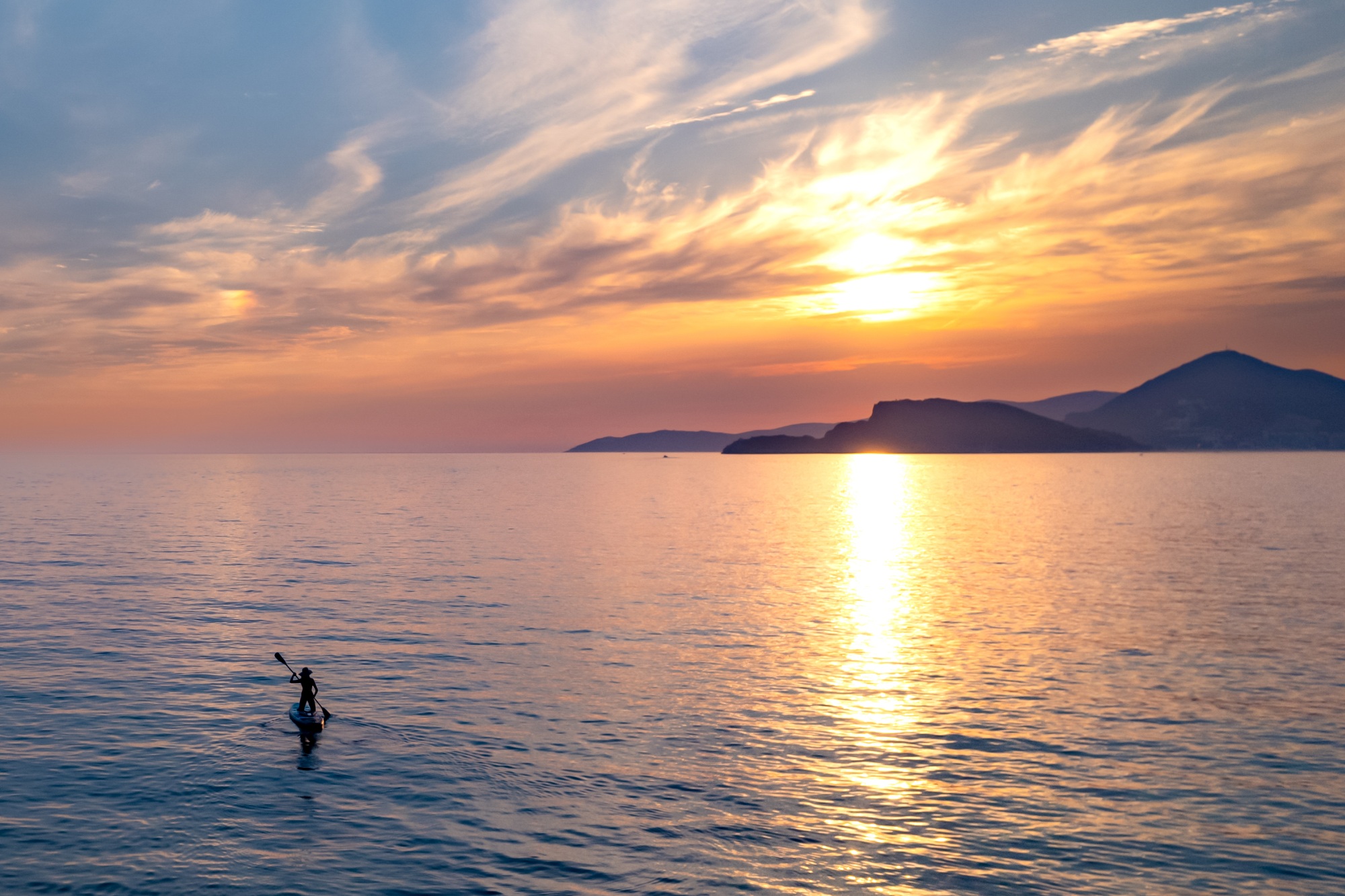
Down south, adventure turns even more aquatic. Lake Skadar is the heart of Montenegro’s wild water world - an inland sea alive with pelicans, monasteries and floating villages. Kayak its calm backwaters at sunrise, or join a local boat tour to sample lakeside wine and honey straight from the source. The Adriatic coast adds another layer: paddleboarding, sailing and swimming in crystal-clear coves that feel a world away from the peaks above.
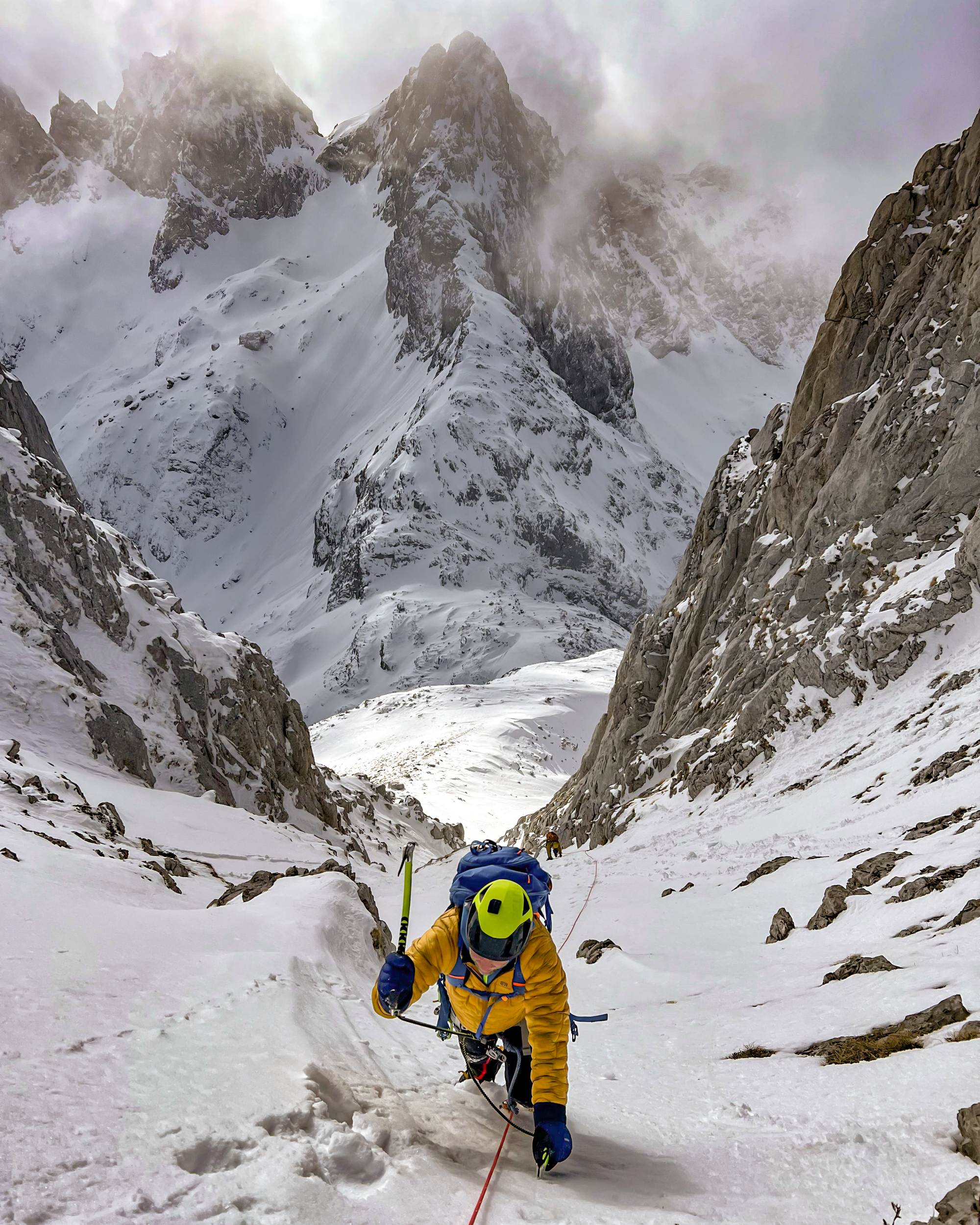
And if you’re visiting in winter, don’t hang up your boots - just bring ones that click into skis. Montenegro’s alpine side shines at Kolašin, the country’s main ski hub in Durmitor National Park. With 19 runs covering more than 45km, freeride zones and modern lifts, it’s perfectly set up for both laid-back cruisers and powder hounds chasing fresh tracks. Over in Lovćen, the high ridges double as snowshoe and backcountry terrain - ideal for human-powered winter adventures with epic views of the coast.
Culture and Connection: Beyond the Mountains
Montenegro’s dramatic landscapes might grab the spotlight, but the soul of the country lies in its people and traditions. This is a place where old-world tradition meets genuine warmth - a place that invites you in, whether you’re clinking glasses in a lakeside taverna or wandering through cobbled streets lined with centuries of history.
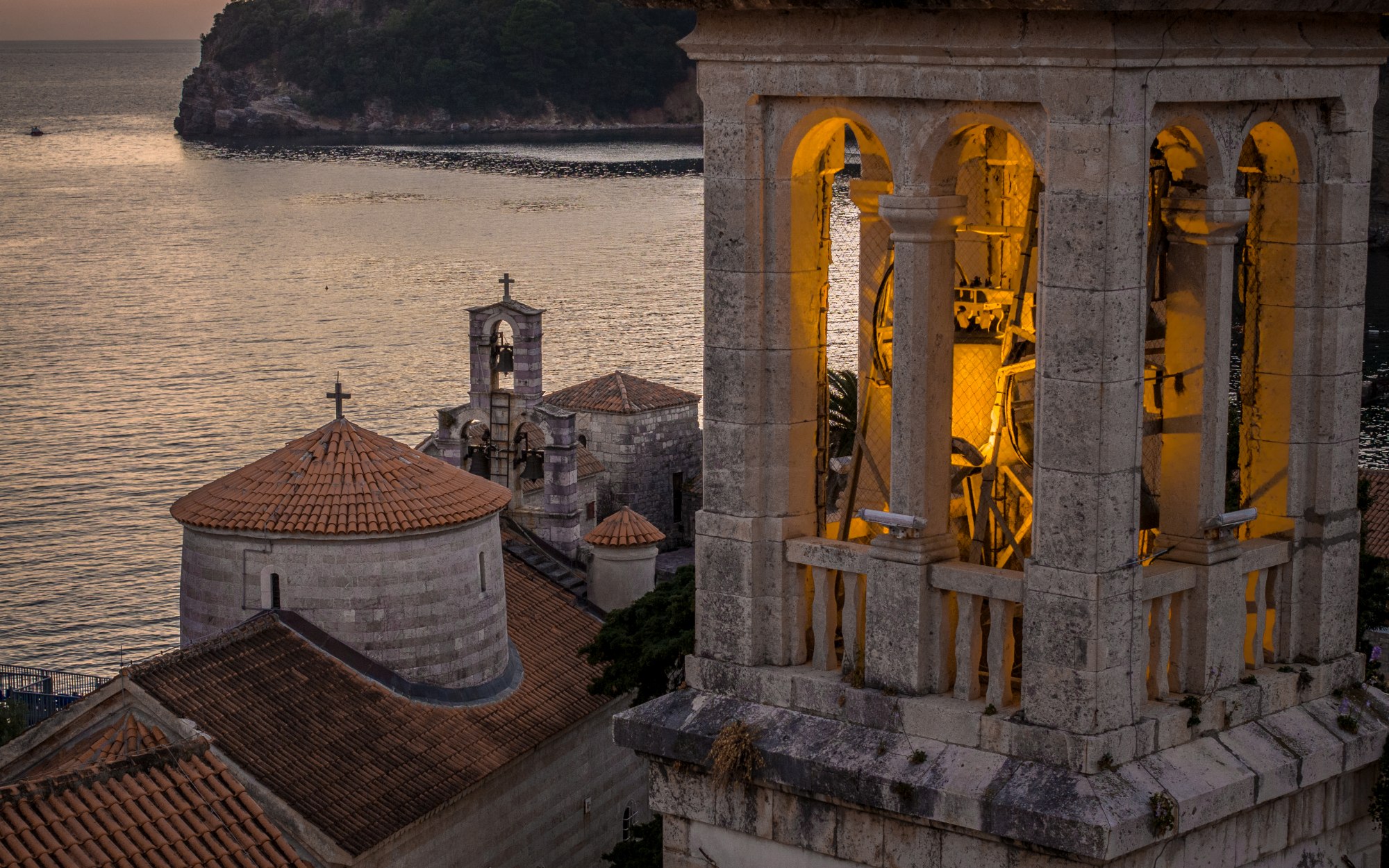
Down on the coast, Kotor is the obvious showstopper. A UNESCO World Heritage Site wrapped around a fjord-like bay, its medieval old town all terracotta rooftops, stone alleyways and bell towers framed by mountains. Budva brings a splash more energy - a lively coastal town where Venetian walls meet modern beach cafés and sunset strolls turn effortlessly into sundowners and seafood dinners.
Head inland and the pace slows. Around Lake Skadar, vineyard owners pour generous glasses of local Vranac, while fishermen haul in their daily catch with the same wooden boats their grandparents used. Up in the highlands, mountain lodges offer hearty home cooking - think slow-braised lamb, local cheese and honey straight from nearby hives - served with the kind of hospitality you’ll remember forever.
History runs deep here too. In Lovćen National Park, Montenegro’s national hero and poet Petar II Petrović Njegoš rests in a mountaintop mausoleum that looks out across the entire country - a fitting symbol for a place that’s proud of its past but always looking forward.
Whether you’re exploring the coast or the highlands, what stands out most is Montenegro’s sense of connection - to the land, to tradition and to everyone who arrives ready to share in it.
Getting to Montenegro & When to Go
For all its far-flung feel, Montenegro is surprisingly easy to reach. Direct flights run year-round from several UK airports to Podgorica, and seasonally to Tivat, with the coast and the mountains both within a few hours’ drive. Once you’re on the ground, distances are short, roads are scenic and it’s easy to combine multiple regions in a single trip — think morning coffee on the Adriatic followed by sunset dinners high in the mountains.
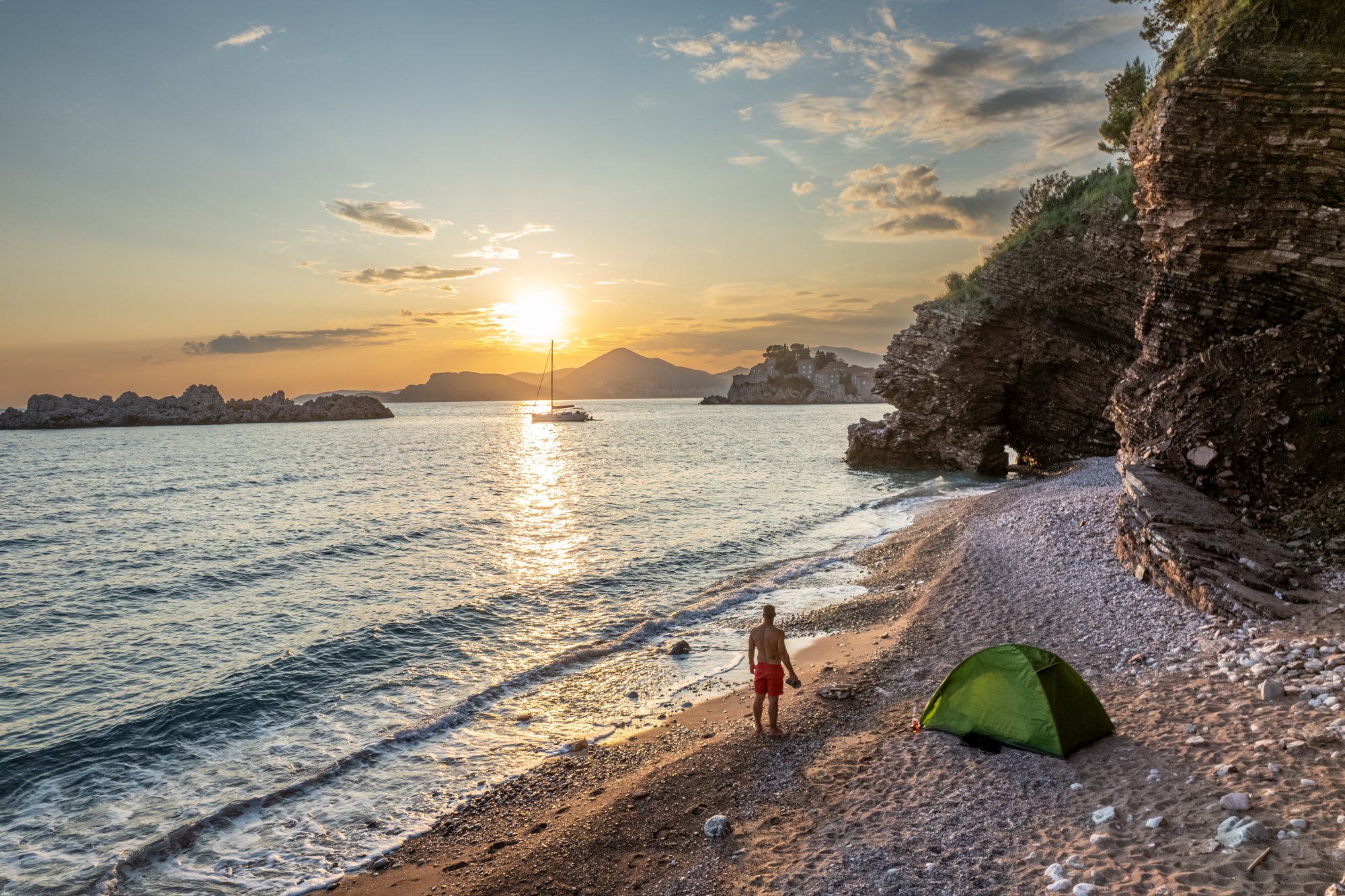
Adventure here doesn’t have an off-season. Summer brings prime conditions for hiking, rafting, kayaking and mountain biking, while spring and autumn are ideal for cooler temperatures and quieter trails. Come winter, the highlands transform into snow-covered playgrounds for skiers, snowboarders and snowshoers. Whenever you visit, Montenegro’s landscapes are always open for exploration - you just need to choose your season and your style.
Montenegro Adventure Hit List
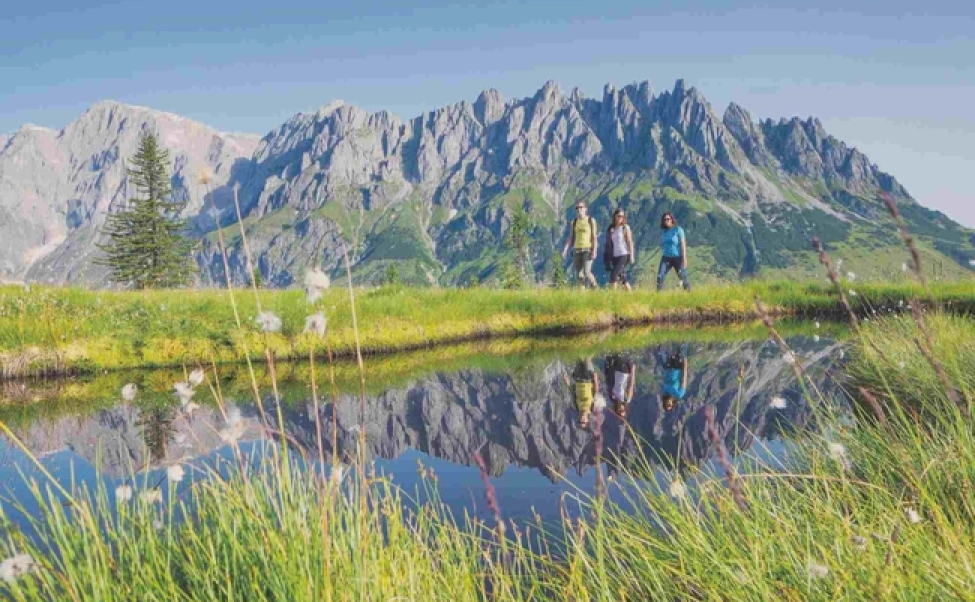
Hike | Tackle the Durmitor Ring, a 76km loop through soaring limestone peaks and mountain pastures, or summit Bobotov Kuk (2,523m) for jaw-dropping views across Durmitor National Park.
Raft | Take on the Tara River Canyon, Europe’s deepest gorge, where turquoise water and Class IV rapids guarantee an unforgettable day on the river.
Paddle | Glide across Lake Skadar between floating villages and island monasteries, or join a vineyard tour by kayak for a true taste of the Balkans.
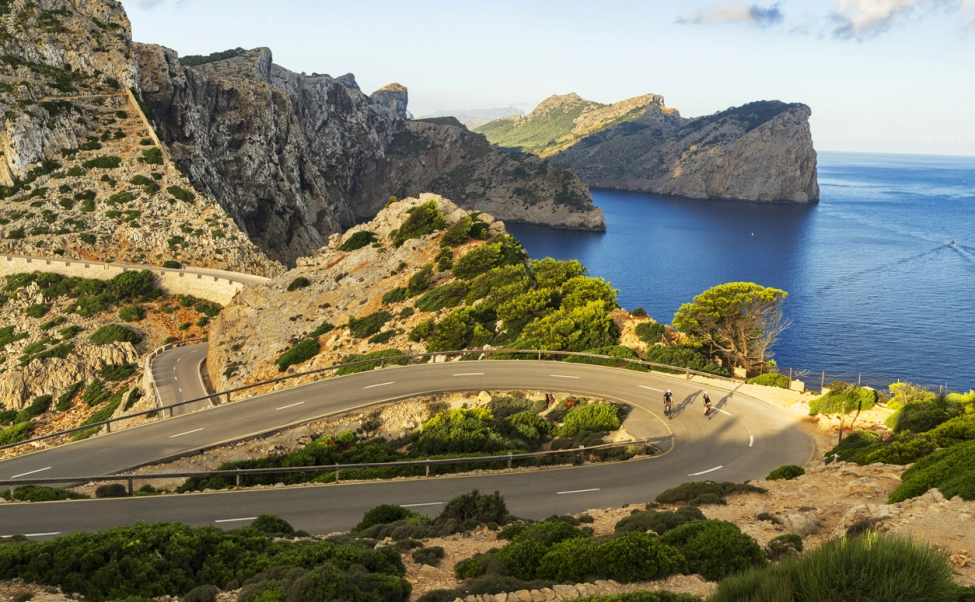
Ride | Cycle the switchbacks of Lovćen National Park or tackle the forested trails around Biogradska Gora on a mountain bike - both are as scenic as they are challenging.
Ski | Head for Kolašin, Montenegro’s main resort in Biogradska Gora National Park, with 19 slopes, 45km of pistes, freeride zones and modern lifts, or strap on snowshoes and explore Lovćen’s panoramic winter ridges.
Stay | Sleep lakeside at a vineyard guesthouse, unwind in a family-run eco-lodge in the hills or go off-grid in one of the country’s wild mountain cabins - in Montenegro, even the overnights feel like an adventure.
For more information and to explore accommodation options go to montenegro.travel