- Details
- Written by: Lewis Winks
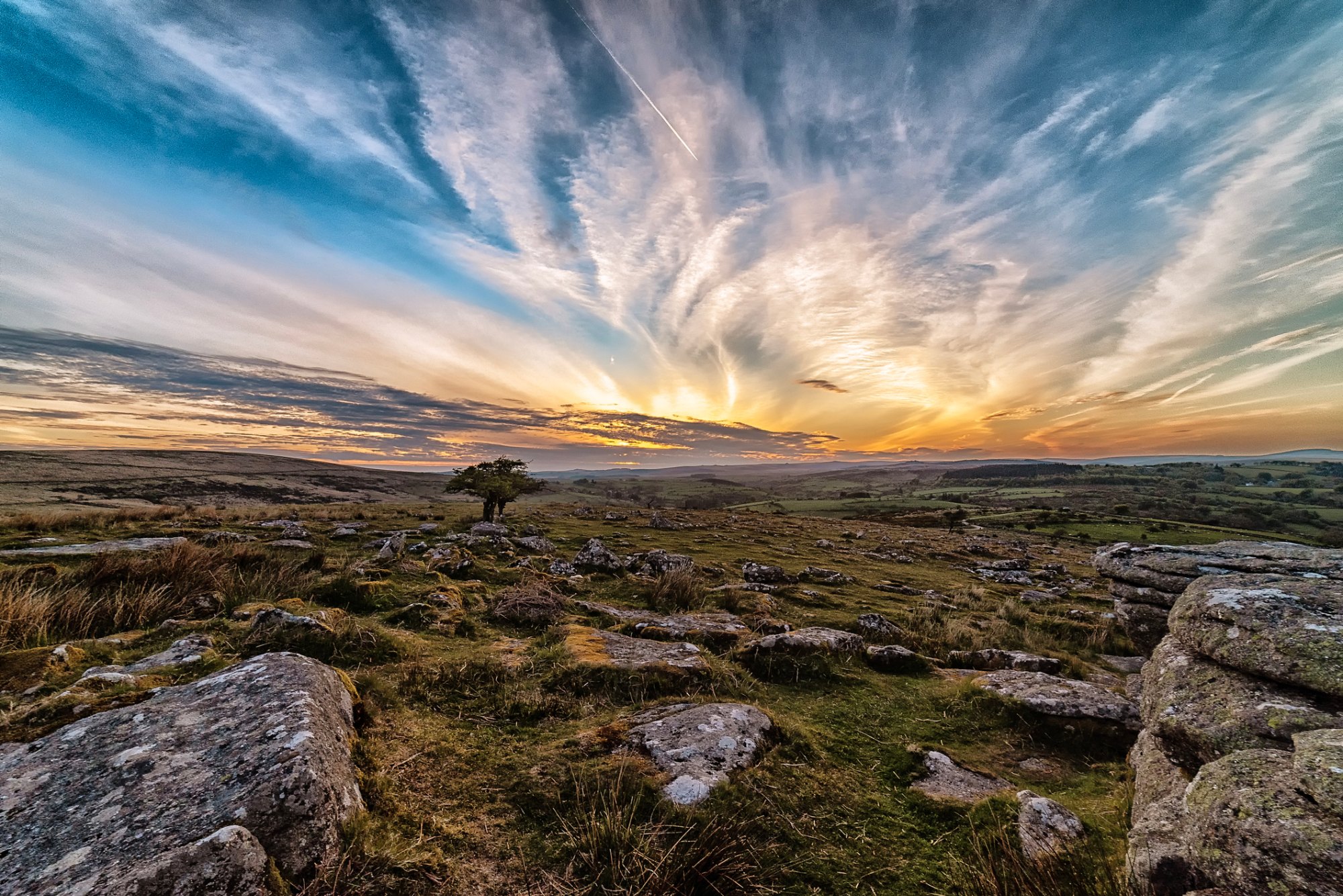
I live in South Devon, on the edge of Dartmoor National Park. For generations it has been the only place in England and Wales where a person could head out, find a quiet spot, and pitch a tent for the night before continuing the next day—the only place where sleeping under the stars is a legal right. So when, in 2023, that right was challenged and briefly overturned through a legal case brought by a wealthy landowner, it felt as if something precious had been torn from the fabric of England. Something many had cherished was suddenly gone. A practice rooted in a small corner of the country became totemic of something much bigger: the stark lack of access rights elsewhere, and how precarious even our most valued freedoms can be.
Across England, access to land and water is not only limited, it is fragmented and unclear. Just eight percent of land is legally accessible; only three percent of rivers have an undisputed right to swim. An astonishing 73 percent of woodland lacks legal access. Even where paths exist, they are often disconnected, forcing people onto roads and preventing more logical, safer routes through the landscape. Much of our ability to go into the countryside rests upon permission, easily withdrawn. This encourages not only restricted movement, but a diminished relationship - one that is narrow and passive. We are kept to the corridors, moving through landscapes rather than engaging with them.
From wild swimmers sounding the alarm on river pollution, to families seeking space for unstructured time outdoors, people are increasingly building deeper relationships with the land. While appetite and care grows, the legal frameworks to support such a shift are needed more than ever. In much of Europe, the right to responsible access is already enshrined in law, and embedded in culture. We have only to look to Scotland, where since 2003 the Land Reform Act, supported by an outdoor code, has established a right of responsible access to land and water, with sensible exceptions for wildlife, privacy, crops, livestock, and public safety. Further afield, in Norway and Sweden, similar approaches have existed for generations.
In England and Wales, we tend to approach this the other way around. Access is granted in fragments, as the exception rather than the norm. The result is a system that is both complex to navigate and uneven in its outcomes. Most of the accessible land is in upland areas, leaving many without meaningful access to the countryside on their doorstep. The current system also focuses heavily on land use, rather than on how people actually behave when they’re there.
The Dartmoor case prompted a broader question: what kind of relationship do we want with our landscapes? The Right to Roam Campaign offers an answer: a foundational right of responsible access backed up by a robust and easy to understand code. The evidence from Scotland, and beyond, is that this approach works—not just in enabling access, but in fostering a culture where people understand both their rights and their responsibilities.
“Only eight percent of the land in England is legally accessible”
Time spent outdoors builds familiarity: noticing seasonal change, recognising species, sensing ecological pressures and knowing when something is amiss. These interactions underpin public support for conservation, and shared responsibility for the places we value. Of course, concerns are raised about damage, disturbance or misuse. These need to be taken seriously. But they are not arguments against access in principle. They are arguments for doing it well through clear guidance and education.
If we want future generations to care for the natural world, we need to support their ability to experience it and, more fundamentally, to understand that they belong within it. The question now is whether we continue to treat access as a fragile exception subject to loss as we’ve seen on Dartmoor and elsewhere, or recognise it as a shared foundation for how we relate to the landscapes around us. The Right to Roam campaign is working to make that shift a reality.
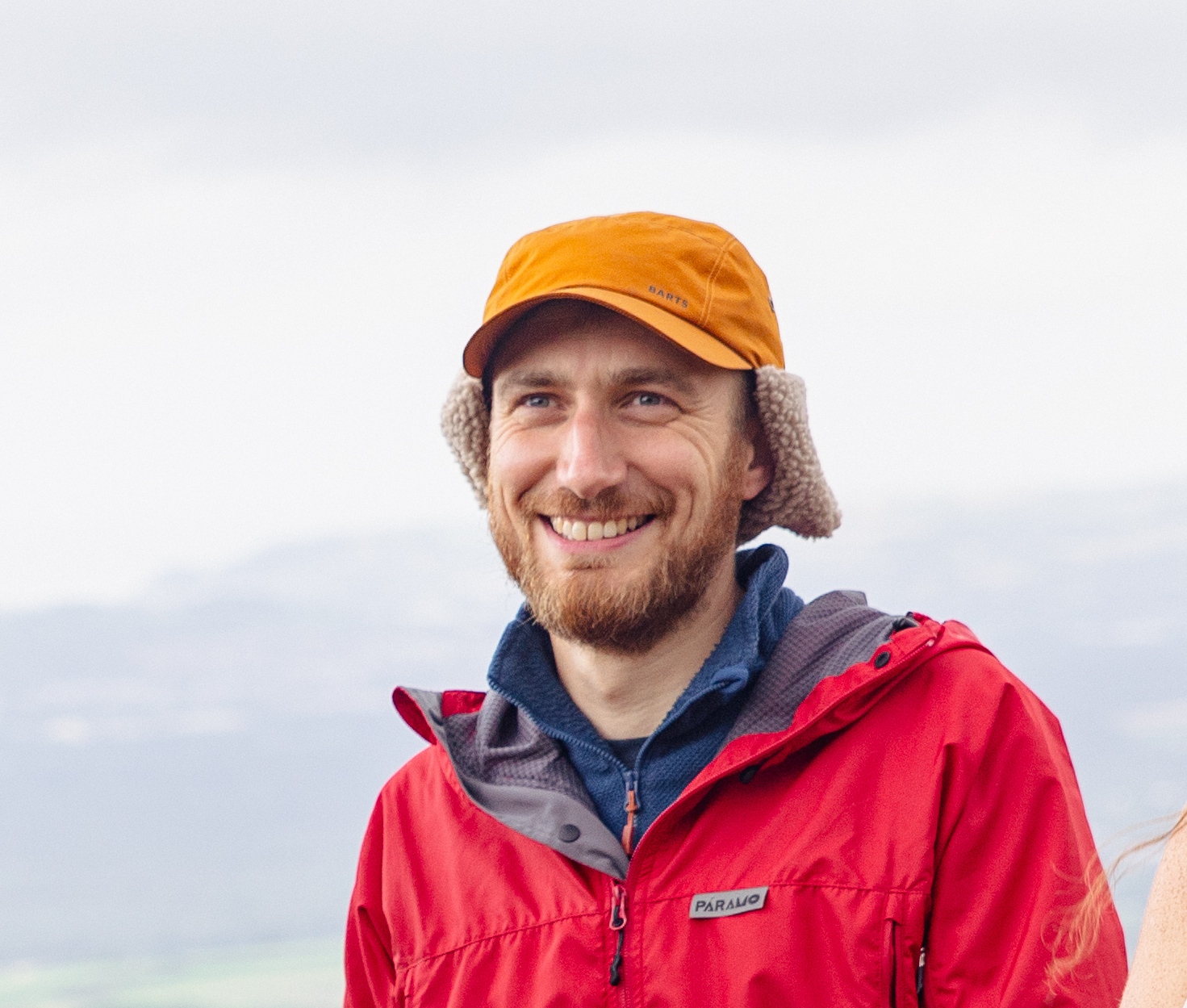
Lewis Winks is a researcher for the Right to Roam campaign. Support their work by signing up to their mailing list, joining a local group, or making a donation at righttoroam.org.uk