
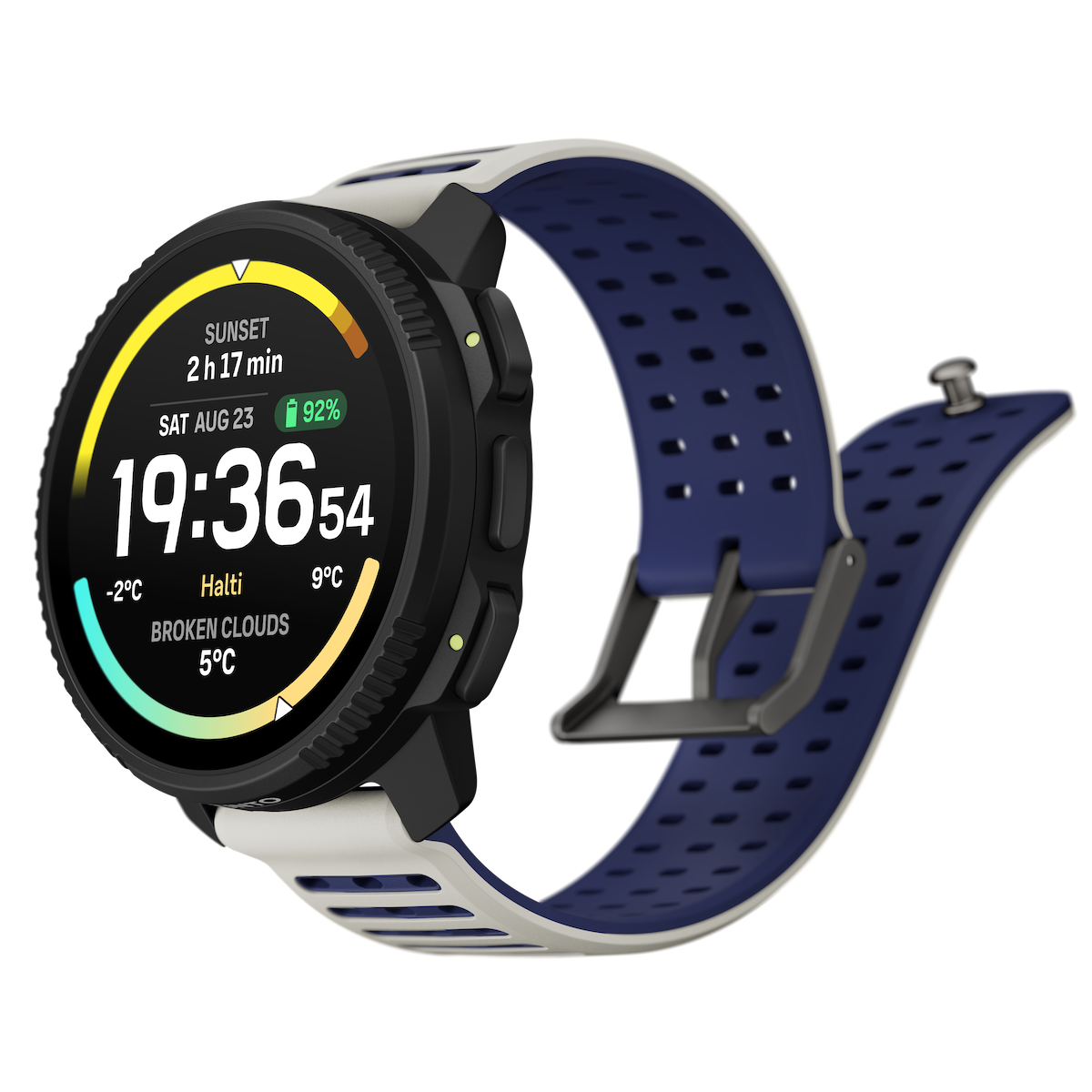
The Suunto Vertical 2 arrives with a fairly bold mission statement: take the already excellent Vertical (released in 2023), blend in the best upgrades from the newer Suunto Race 2, iron out a few long-standing complaints, and turn the whole thing into a genuinely top-tier mountain and trail watch.
The brief is clear. This is designed to be a serious outdoor tool - one that can go toe-to-toe with Garmin’s Fenix 8 series, but at a more palatable price point.
"This is Suunto’s strongest outdoor watch in years"
One of the biggest changes is the removal of solar watch-face charging - something that was never especially useful in the gloomy, cold Highlands anyway. In its place is a crisp AMOLED display, significantly improved battery performance, and upgraded positioning via impressively accurate dual-band GNSS. Add in full-colour offline maps, solid app support, and sensible training metrics, and this is Suunto’s strongest outdoor watch in years.
Crucially, it feels designed for people who actually use watches when they're in the hills - those who care more about reliable navigation, battery life and clarity than endless lifestyle features or smartwatch fluff.
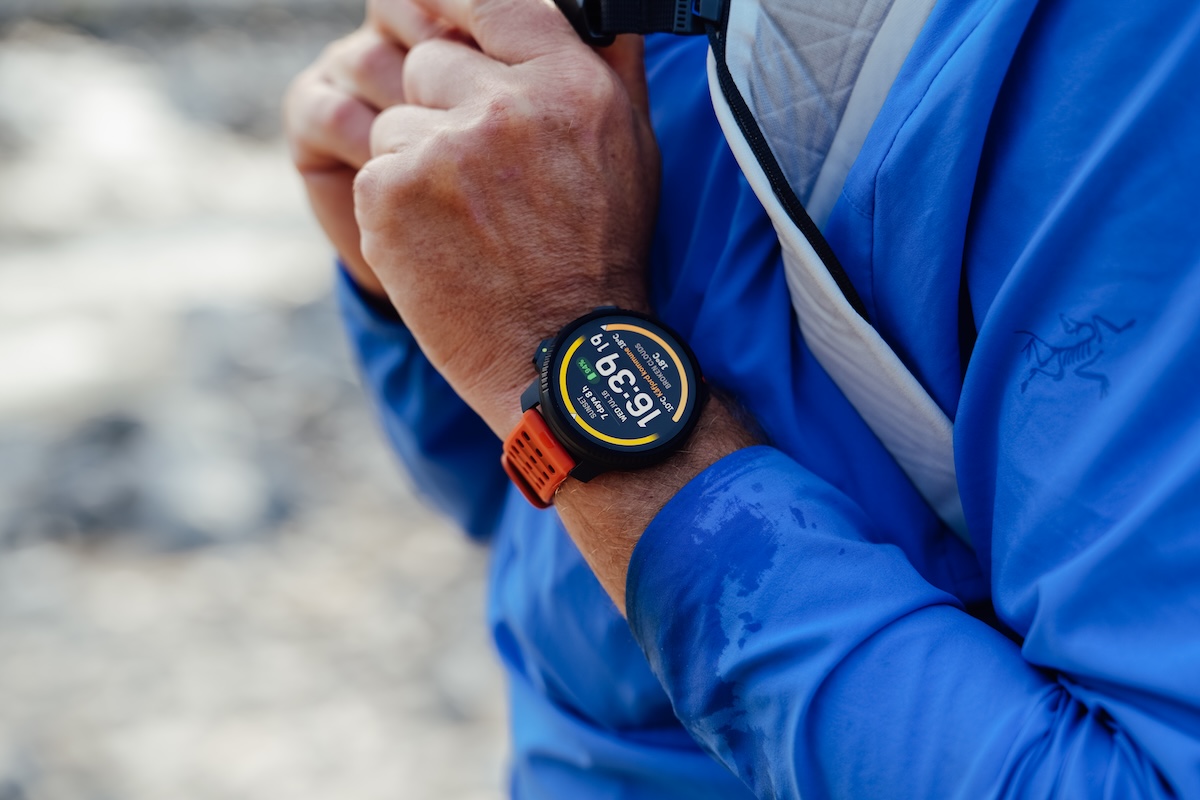
Key Specs at a Glance
-
1.5in AMOLED display (466×466px)
-
Dual-band GNSS (L1 + L5)
-
Up to 65 hours in Performance GPS mode
-
Up to 20 days smartwatch / up to 45 days in Tour mode
-
Full-colour offline maps
-
Optical HR, barometer, SpO₂
-
115+ sport modes
-
Stainless steel (~87g) or titanium (~74g)
-
RRP: £529 - Stainless Steel | £629 - Titanium
What’s New?
This second-generation Vertical 2 is the refresh Suunto needed to stay competitive with Garmin and Coros’s latest offerings.
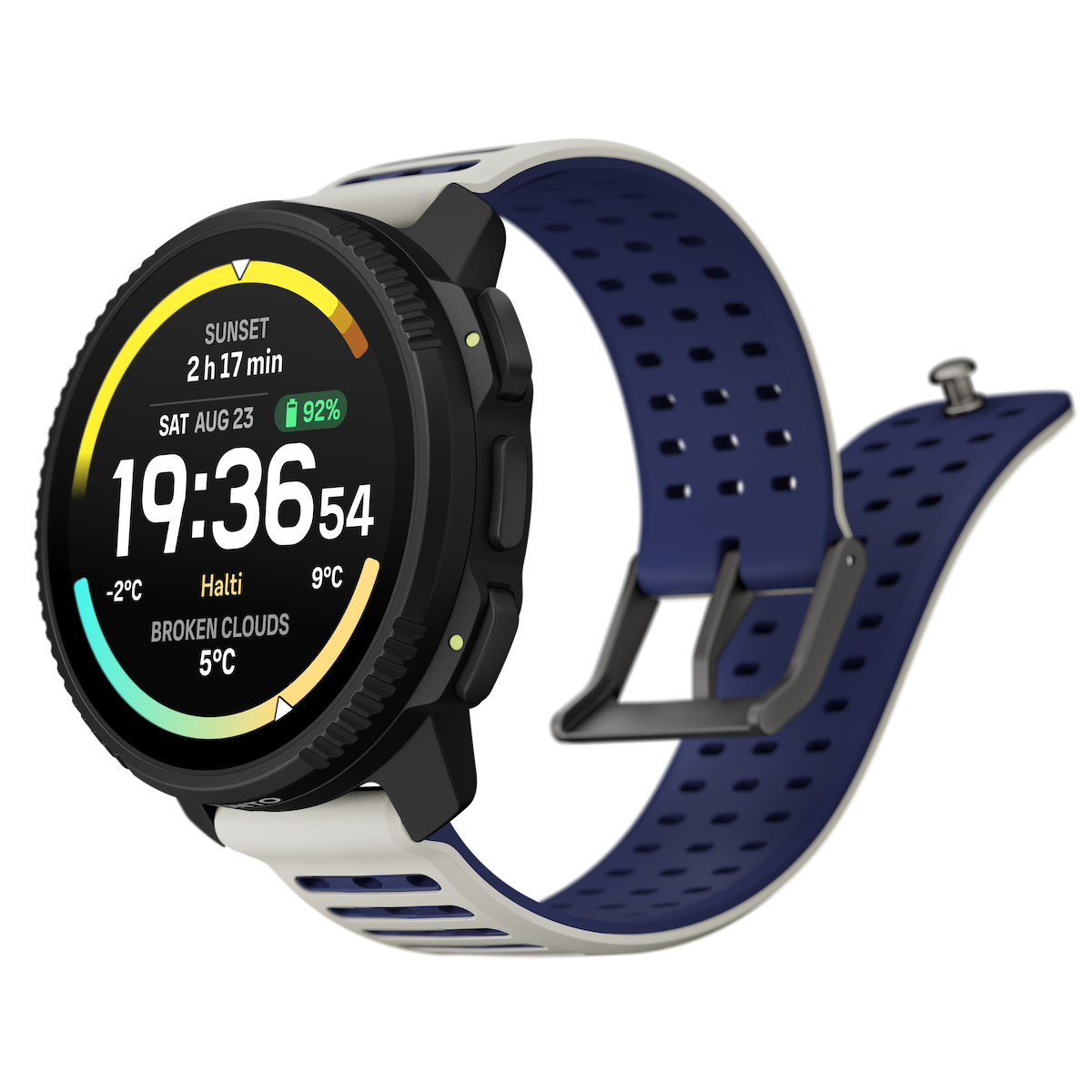
The new AMOLED screen is a bit of a game changer, especially for navigation. Creating GPX files and transferring them from the phone app to the watch is slick, and navigating on a set track is relatively easy once you’ve practised a little. The new screen is bright enough - even in full sun - sharp enough for intricate map reading, and handles zooming in on contours and features well.
"It’s a watch, not a military-grade GPS unit, and for the vast majority of users it’s pretty impressive"
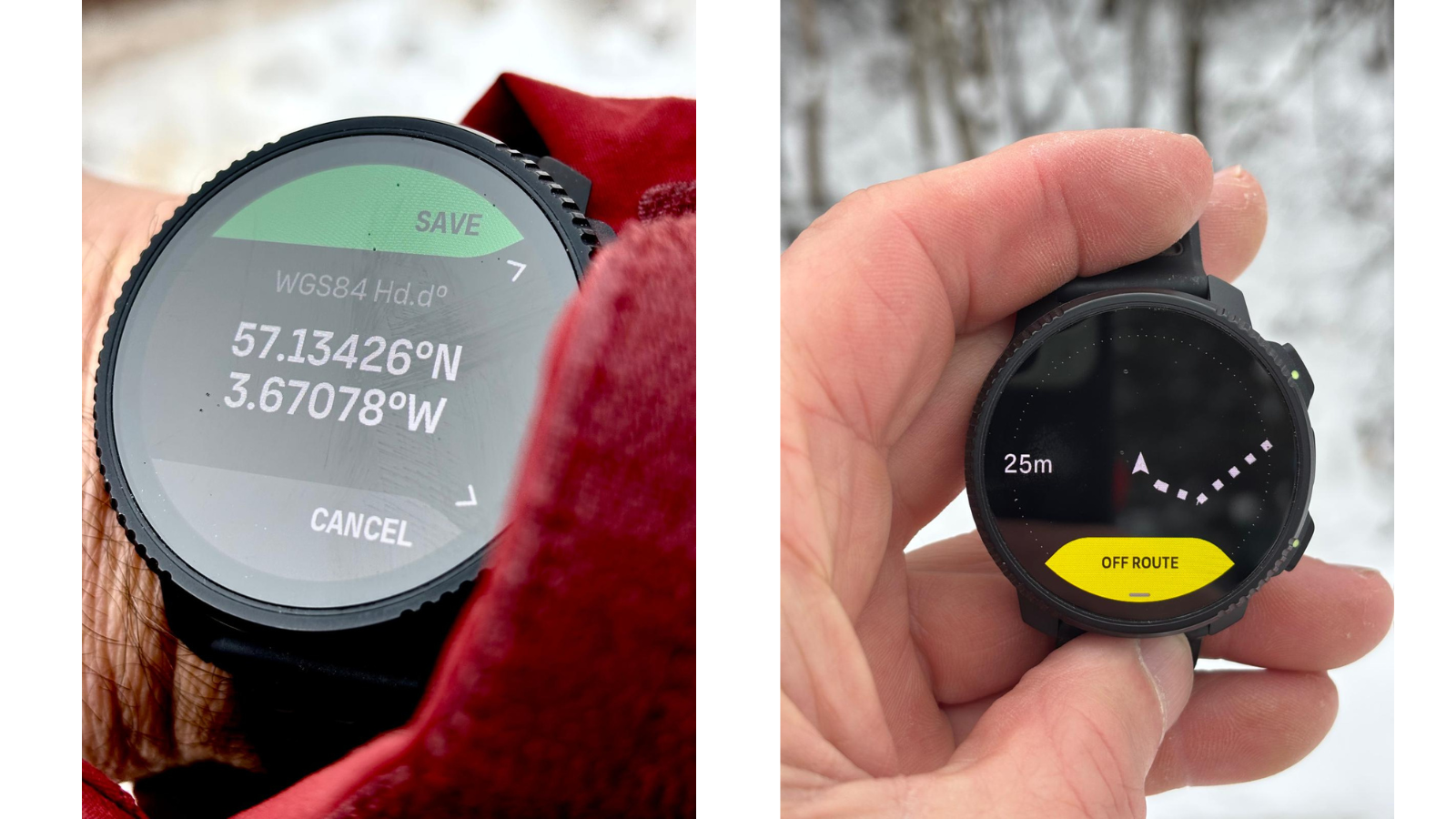
The dual-band GNSS is fast and accurate, and if you drift off the trail it can measure the distance needed to regain your line with a quick pin-style marker - a very handy feature in bad light. Offline maps are now full colour, easy to zoom into, and downloads cover whole countries rather than small regions - a huge time-saver for active hill-goers or ultra-distance runners.
Although some have complained about step-count accuracy and heart-rate inconsistencies, other testers have reported 95–98% accuracy compared with chest heart-rate monitors and step-count features on other sports and smartwatches. After all, it’s a watch, not a military-grade GPS unit, and for the vast majority of users it’s pretty impressive.
The new battery tech is also impressive, extending life to around 60 hours in GPS mode with most features running, and a claimed 20+ days in “low consumption” mode.
Display & Everyday Usability
While the new screen transforms the experience, the novelty wears off and the basics of living with the watch start to matter. For us, the most important daily features were easy to access, read, and use for more mundane off-mountain activities.
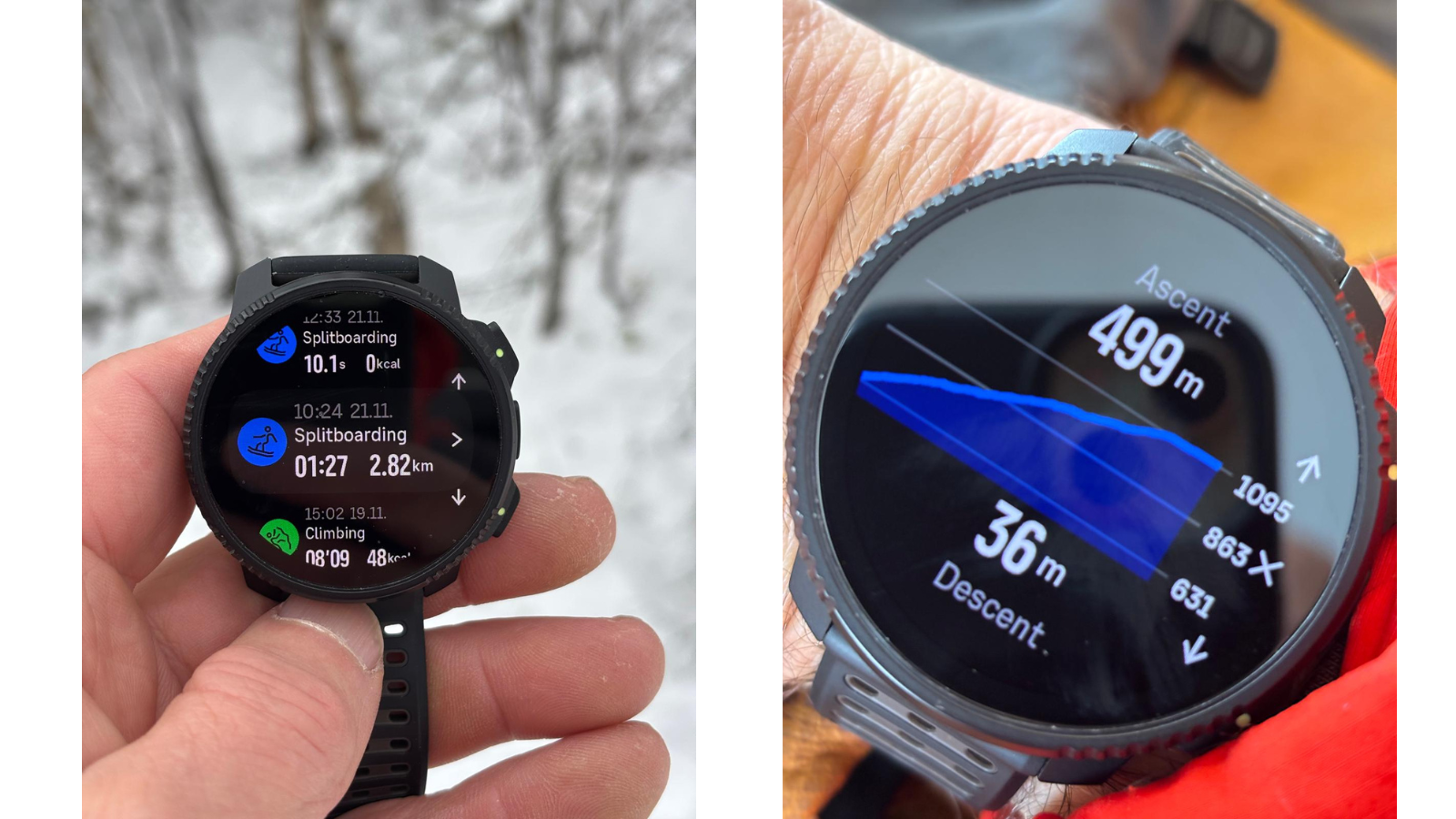
Accessing a training or sport mode and recording an activity is intuitive, and there are more than enough modes - including fishing, Nordic walking, and the slightly ridiculous mermaiding - to keep even the most Californian of users happy.
"Glove-compatible buttons are easier to use than a scroll wheel, and linking to the charging dock is much easier than on some watches"
Glove-compatible buttons are easier to use than a scroll wheel, and linking to the charging dock is much easier than on some watches. The screen glass seems scratch-proof, and the steel body feels robust and “quality.”
For some, the watch will feel a touch on the large side, especially if you have smaller wrists, but if you happen to drop it into a 100m-deep Mexican jungle cenote, it’ll still power up and look pristine months later.
Navigation & Mountain Performance
If you value simplicity of use, the Vertical 2 is the tool for you.
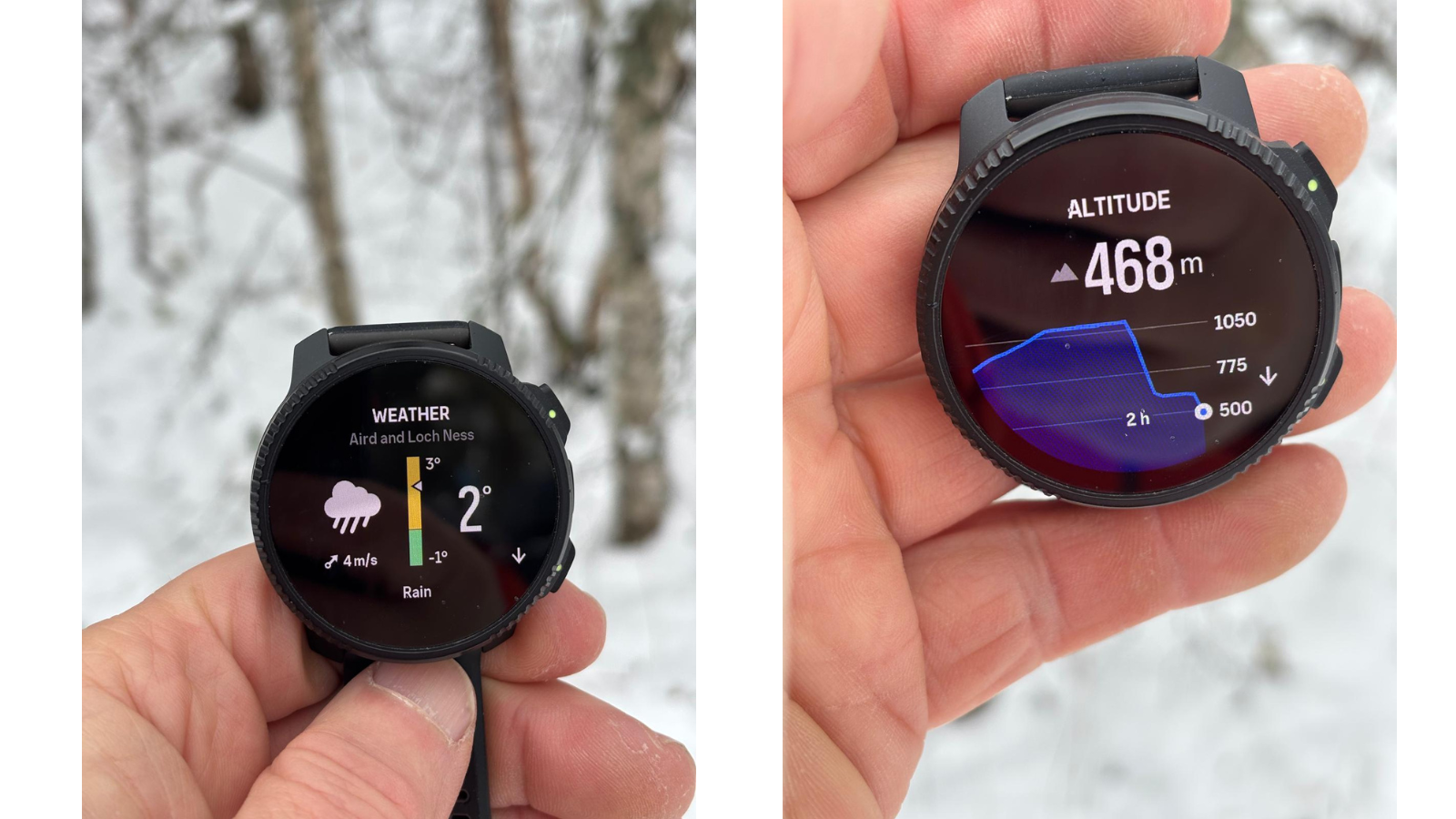
It may not offer the deep data-layer customisation of watches twice the price, but in real use it is accurate even in steep, cliffy terrain. The altimeter is spot-on, and when zoomed in the positioning is fast, reliable, and reassuring.
The breadcrumb feature - the “where I’ve come from” track - is useful and easy to follow if you get stuck. And while a watch shouldn’t be your number one navigation tool, it’s certainly very useful in extremis when all else fails.
For trail running, following prepared GPX tracks, and general positioning, this is the best and easiest interface and screen we’ve tested.
Tracking, Sensors & Training Tools
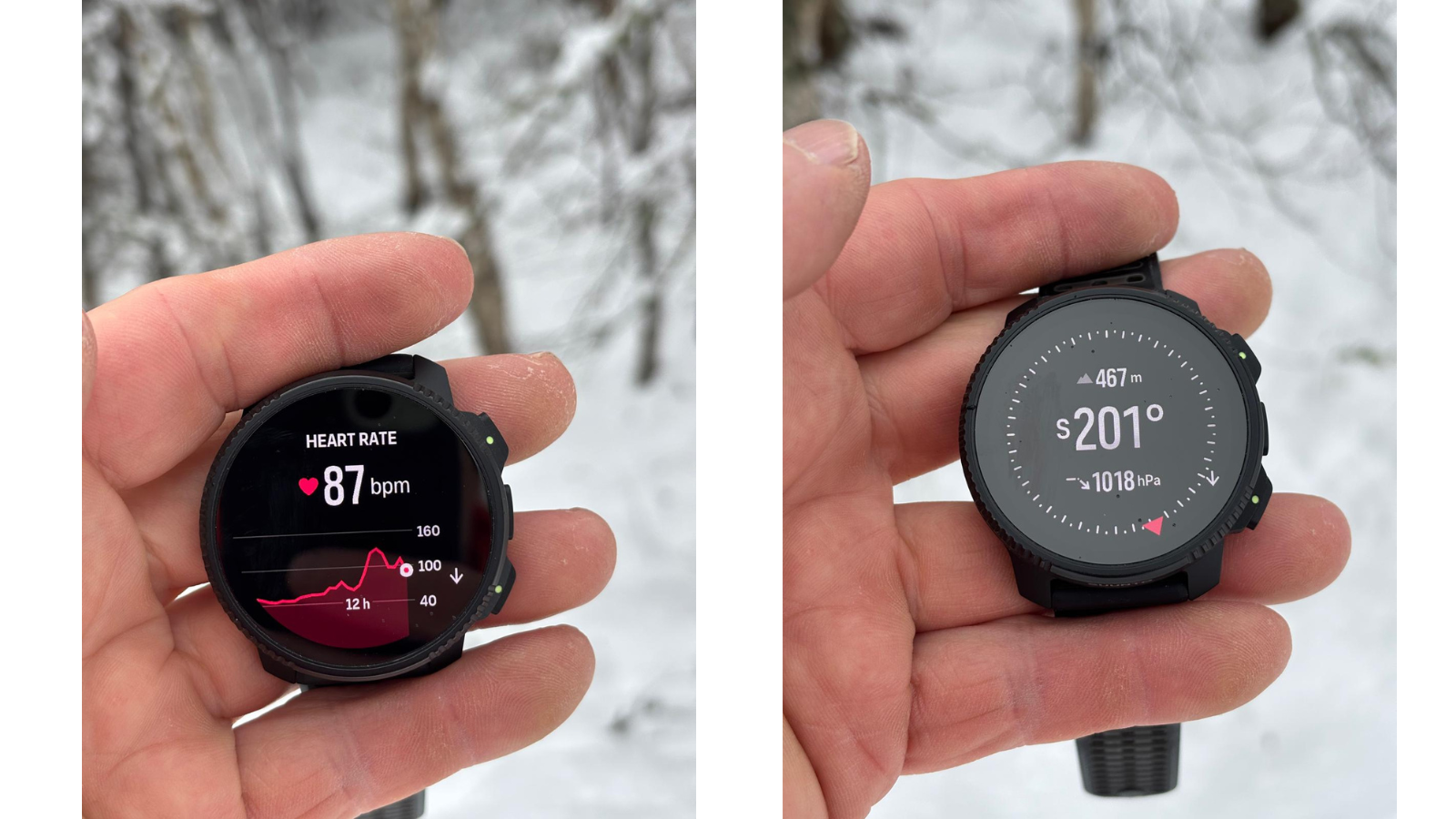
The new HR sensor is noticeably more accurate than previous wrist-worn Suuntos, particularly during high-cadence and technical activities. It offers a far more stable record with fewer weird spikes and dropouts. It’s now not far off the accuracy of a chest strap - and for most users, that’s all we really need.
The Suunto Vertical 2 measures altitude primarily using a built-in barometric pressure sensor, with FusedAlti™ combining GPS and barometric data for more reliable readings, especially in shifting weather.
"If you prefer simple, useful information that doesn’t make training feel like homework, Suunto gets it right"
For absolute cliff-edge accuracy and peace of mind, it’s still worth manually setting an initial altitude reference at the trailhead.
The training metrics feel intentionally focused rather than overwhelming. Suunto isn’t trying to cram a whole sports lab onto your wrist. Instead, it gives you the things that matter day to day: load, recovery time, sleep, and clear high-level insights. If you want deep-dive analytics, Coros still has the edge. But if you prefer simple, useful information that doesn’t make training feel like homework, Suunto gets it right. After all, we’re supposed to be out there getting sweaty, not endlessly geeking out over stats.
Battery Life
For a new-generation AMOLED watch, it’s a class leader.
Whether taking part in an Ultra or Ironman, with everything running you’ll get a solid 60 hours - more than enough even if you’re close to the cut-offs. For a normal week of training, it’s well within the scope of the internal power source.
 What’s Good About It
-
Superb AMOLED display
-
Offline maps that actually work in real terrain
-
Big battery for long days out
-
Accurate dual-band GPS
-
Clean, no-nonsense interface
-
Rugged build with proper weather/water resistance
-
LED torch is surprisingly useful
What Could Be Better
-
Slightly fewer training and performance metrics than top-end Garmin/Coros
-
On the larger side for smaller wrists
-
Some may prefer a lighter watch for racing
-
Suunto app is improved, but still not as deep as Garmin Connect
Who Is It For?
This is an outstanding watch for:
-
Trail runners who spend real time in the hills
-
Mountain hikers and trekkers needing reliable offline mapping
-
Ski tourers who want accurate altitude and dependable battery life
-
Adventure travellers who value ruggedness over endless features
Who Might Look Elsewhere?
-
Triathletes deep into training metrics (Garmin/Coros do it better)
-
Minimalist runners wanting featherweight race watches
-
People who dislike large watches full stop
Conclusion - Should You Buy It?
If you spend most of your time where contour lines get tight and cell signal gets weak, the Suunto Vertical 2 is genuinely worth your attention. It doesn’t try to be everything to everyone - it doesn’t have the exhaustive lab-grade metrics of some rivals, and it isn’t the lightest race-day tool in the pack - but it commands respect where it truly counts: navigation, reliable GPS, battery life that outlasts most big days out, and a screen that actually makes maps useful.
For trail runners, mountain hikers, ski tourers and adventure travellers who care about real-world performance in real-world terrain, this is one of the most compelling watches in its price bracket.
If you want ultra-detailed performance analytics or feather-weight race hardware, there are other options.
But for a no-nonsense mountain watch that works when the path gets technical and the day gets long, the Vertical 2 stands very firm at the top of the podium.